01 / CLARITY
A clear starting point.
We inspect your car, explain what needs attention and agree the quote before work begins.

BURUBURU, NAIROBI / IT'S ALL ABOUT YOU
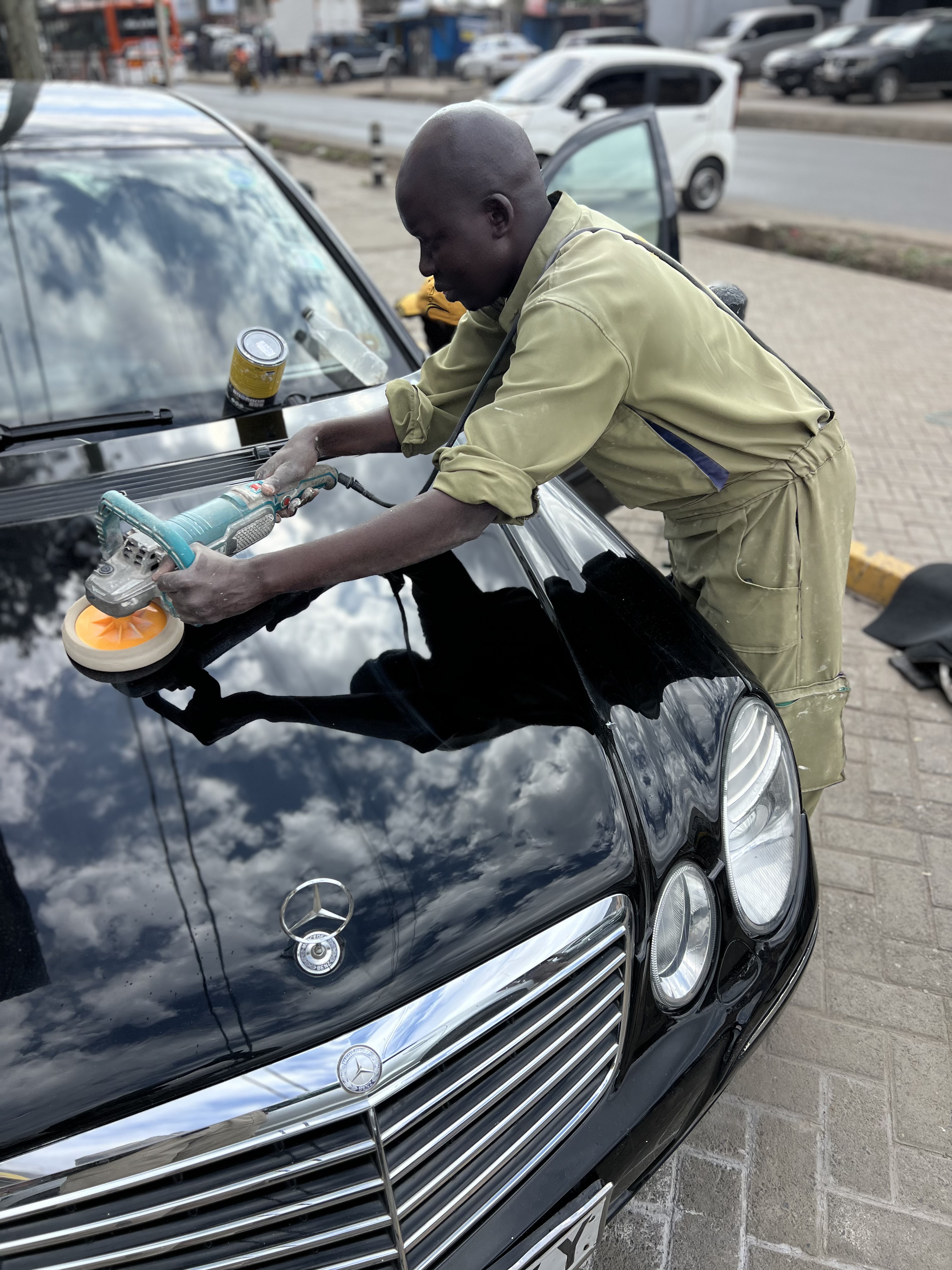
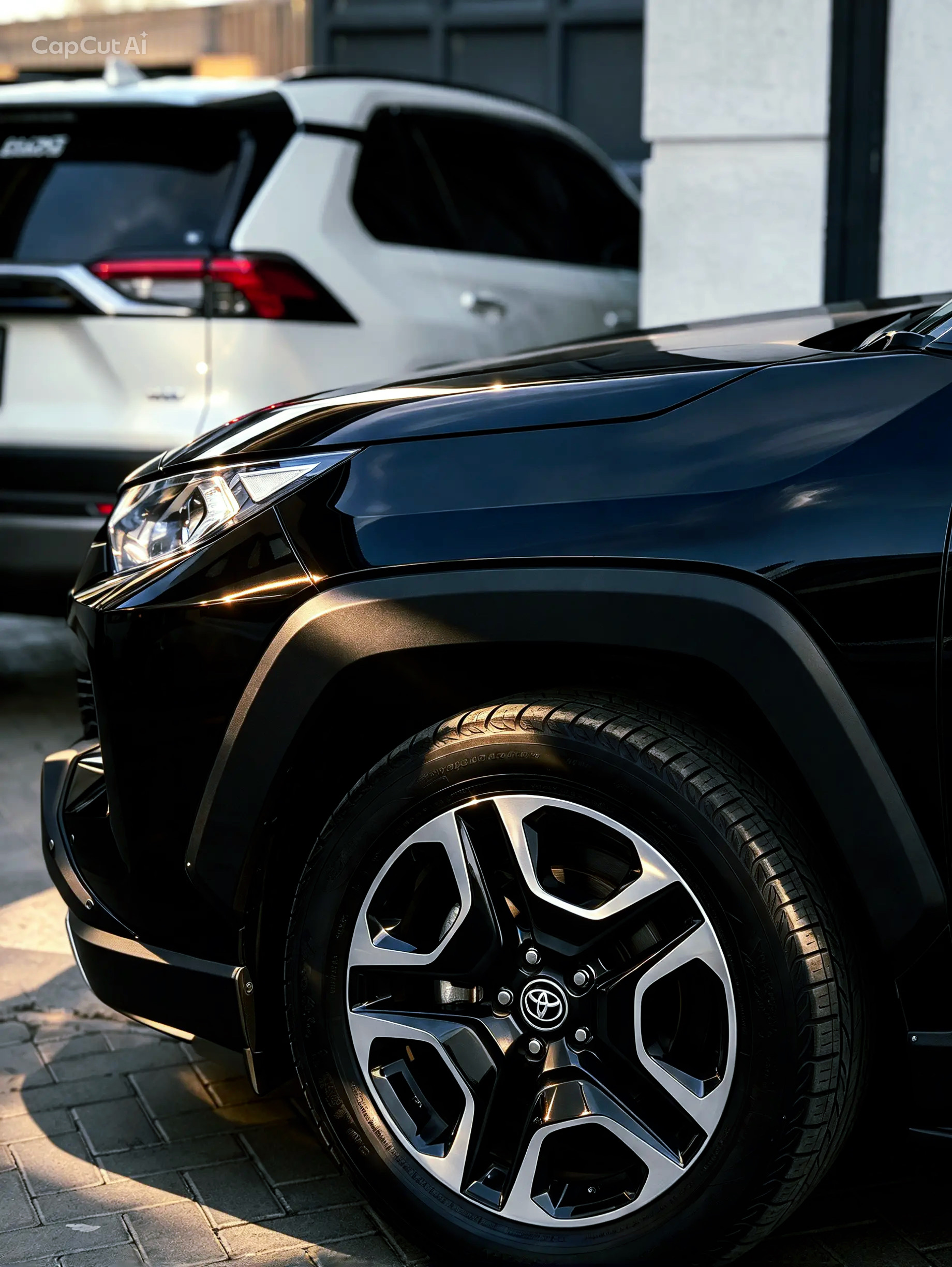
Repairs, Color Craft paint and ceramic coating
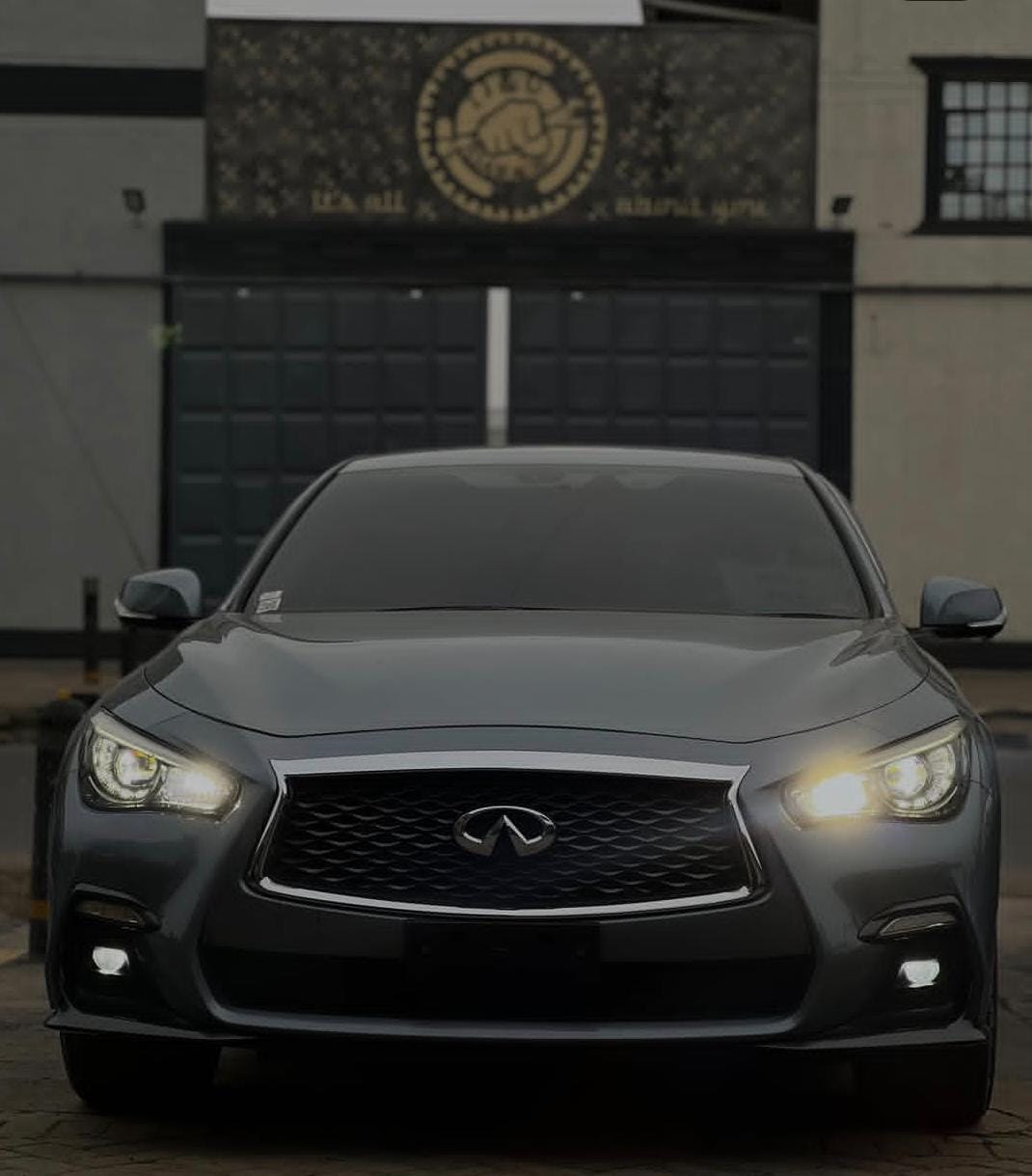
from the neighbourhood garage on Rabai Road. Honest work on every car that rolls in.
01 / OUR EXPERTISE
From the first diagnostic to the final polish, give your car the attention it deserves.
All garage services ↗02 / ABOUT YOUR GARAGE
TJ and U Auto brings mechanical repairs, painting and finishing together in Buruburu Phase 1, Nairobi. With more than 10 years of experience on Nairobi roads, we fix cars properly and explain the work in plain language.
The wrench in the fist on our sign reflects our approach: practical, hands-on and something to stand behind. From a small dent to a larger repair, we start by understanding what your car needs.
Get to know your garage ↗We inspect your car, explain what needs attention and agree the quote before work begins.
Keep in touch on WhatsApp for progress updates and questions about your repair.
Bodywork, painting and mechanical repairs, brought together in one neighbourhood workshop.
FAMILIAR BADGES. INDIVIDUAL CARE.
From Toyota and Isuzu to your everyday favourite. Tell us your make and model, and we’ll discuss the work your car needs.
 Sports Car
 Daily Car
 Nissan
 Mazda
 Subaru
 Mitsubishi
 Honda
 Luxury 4x4
 Volkswagen
 Mercedes-Benz
 BMW
 Audi
 Land Rover
 Ford
 Hyundai
 Kia
 Peugeot
 Renault
 Lexus
 Volvo
 Hino
 Daihatsu
Logos identify vehicle makes; no manufacturer affiliation is implied. Ask us about your specific model.
04 / THE ROAD BACK
From your first message to collection, know what happens next.
05 / CUSTOMER VOICES
Been to TJ & U? Tell us how your visit went. Your feedback helps us keep improving.
Share your experience ↗ GOOGLE REVIEWSTj And U Auto GarageKariobangi South, Rabai Rd, West, Kenya
Read on GoogleDid not finalize my insurance claim, however small it was. But the staff are amazing and very hospitable. Sad I can't give them 6 stars I had to sort my self.
Read full review on GoogleOutstanding service and highly professional staff! I’ve taken my vehicle to several insurance-approved garages before, but this one truly stands out above the rest. The level of detail and care they put into …
Read on GoogleThis garage however popular it is, still has major red flags🚩.I took my car to them for a simple spiral cable replacement , only for the mechanic to replace the cable and stealing my steering angle sensor. The horn works well but now facing sensor issues. I WOULDN'T RECOMMEND
Read on GoogleIt was amazing garage
Read on GoogleClean job and good-hearted management.
Read on GoogleFor all auto works with the best service..... Just in Time
Read on GoogleVery good services
Read on GoogleVery efficient
Read on GoogleNice ples👍👍
Google review snapshot · updated 23 Oct 2026. Maintained by the garage.
See the latest reviews on Google ↗FROM THE GARAGE JOURNAL
A little preparation makes the next conversation easier.
Visit the journal ↗06 / YOUR NEIGHBOURHOOD GARAGE
Find us in Buruburu Phase 1. Call or message before your visit to confirm your slot and get directions to the workshop.
One conversation.
A clear next step.
YOUR NEXT CHAPTER STARTS HERE
Have a question first? Talk to the team ↗
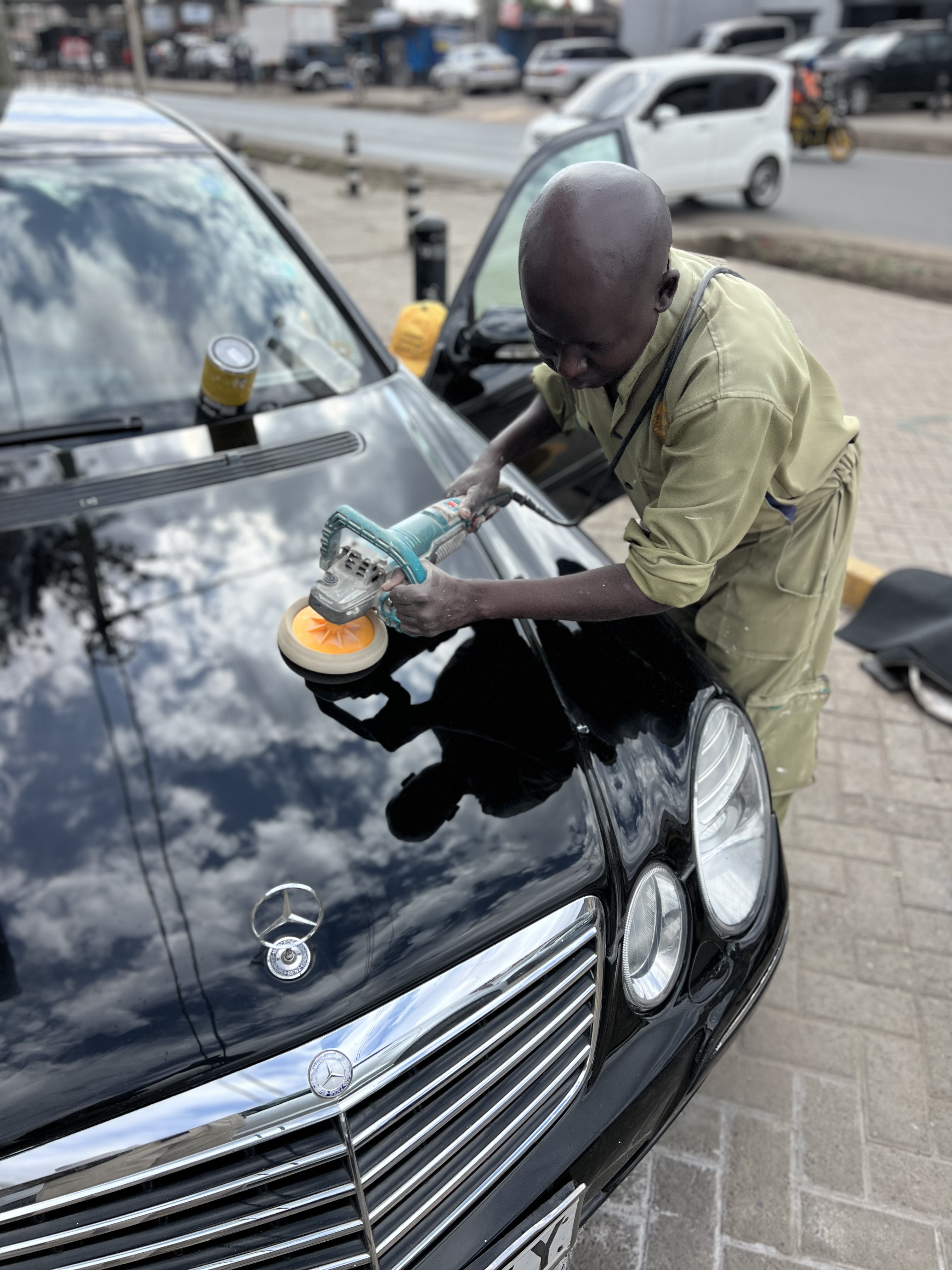
Precision care. From panel to powertrain.
PRECISION / CARE / CRAFT
From a dented panel to an engine fault, find the right starting point for your car. We inspect, explain the work and agree the quote before repairs begin.
NOT SURE WHERE TO START?
Share your make, model and what you’ve noticed. Photos help with visible damage; an inspection confirms the work and quote.
Your next move starts here.
Fill this in and it opens WhatsApp with your details ready to send. We reply to confirm the time.
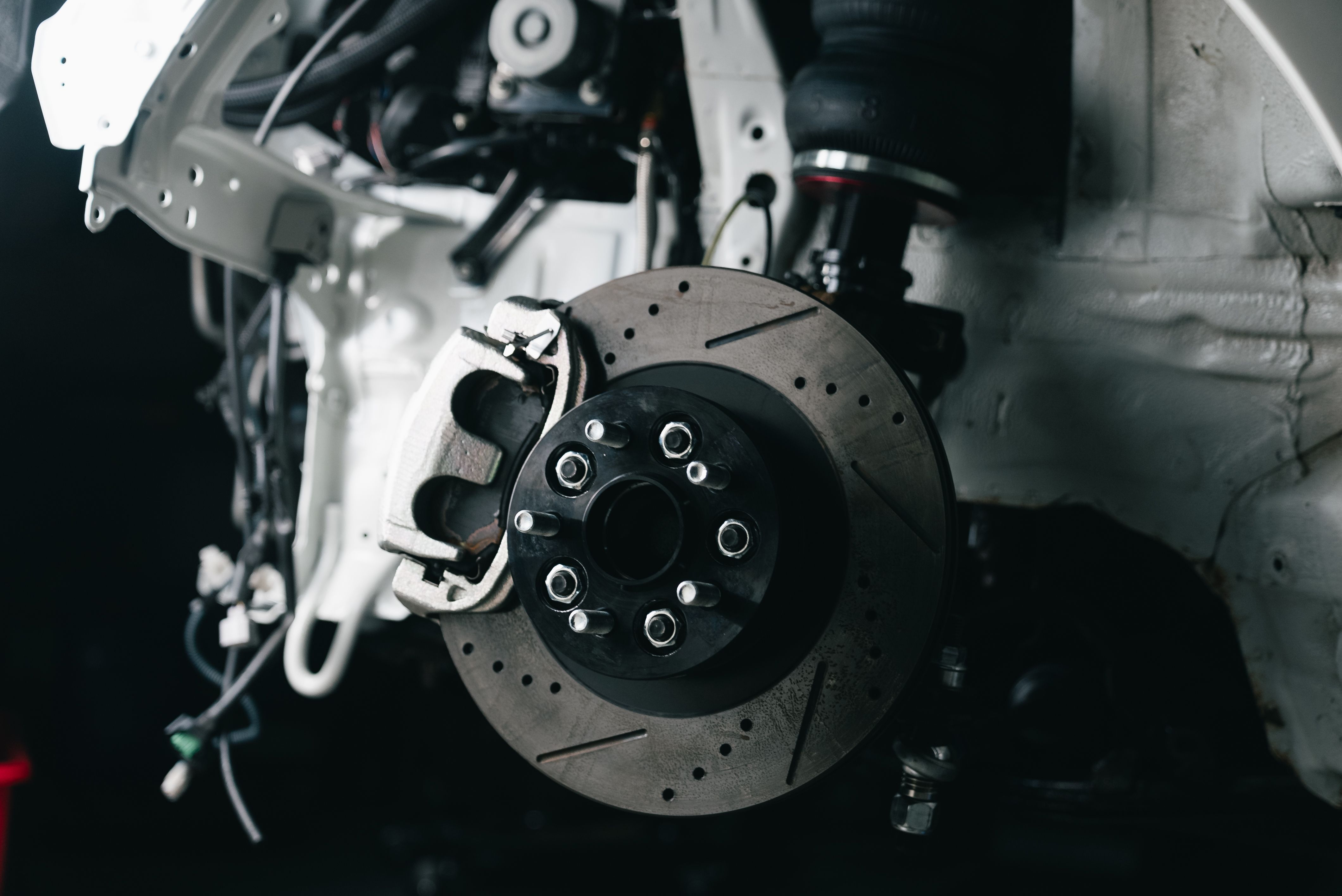
Useful reads for the road, the workshop and everyday car ownership.
THE TJ & U JOURNAL
Practical guides to preparing for repairs, asking better questions and keeping track of your car’s care.
HAVE A QUESTION ABOUT YOUR CAR?
Our guides are a starting point. The team can discuss your particular vehicle and arrange an inspection.
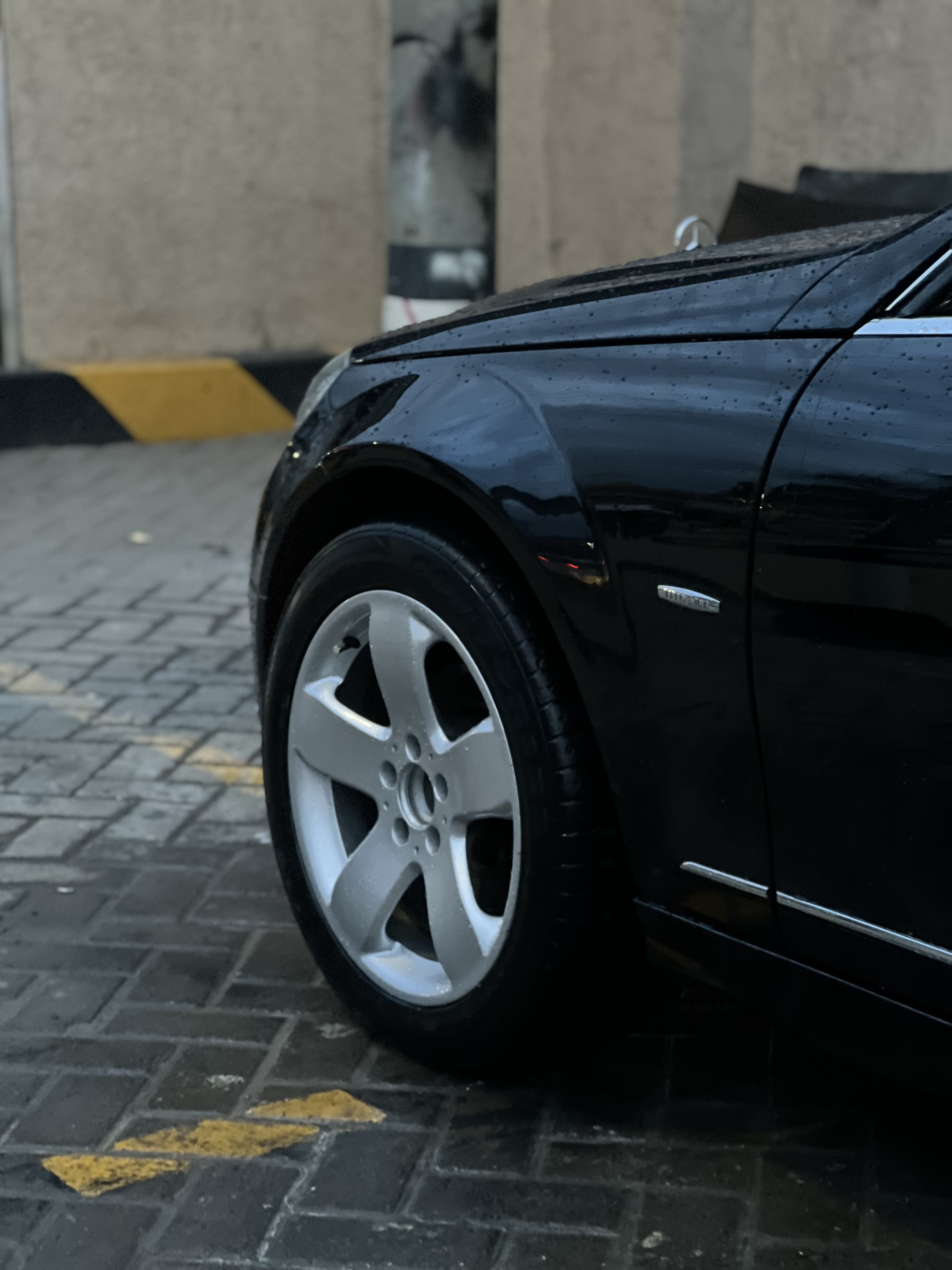
T J & U Auto Garage. It's all about You.
TJ & U / BURUBURU, NAIROBI
Your car keeps your day moving. We’re here to help you look after it, with straightforward advice and pride in the work.
01 / OUR STORY
TJ & U Garage brings bodywork, painting and mechanical repairs together in Buruburu Phase 1, Nairobi.
The wrench in the fist on our sign reflects our approach: practical, hands-on and something to stand behind. From a small dent to a larger repair, we start by understanding what your car needs.
You don’t need to arrive with a diagnosis. Tell us what you’ve noticed, show us the damage or describe how your car feels. We’ll inspect it and discuss the next step with you.
Talk to your garage ↗We inspect your car, explain what needs attention and agree the quote before work begins.
Keep in touch on WhatsApp for progress updates and questions about your repair.
Bodywork, painting and mechanical repairs, brought together in one neighbourhood workshop.
02 / WHAT WE DO
Different problems need different attention. Our work covers the visible details and the systems that keep your car moving.
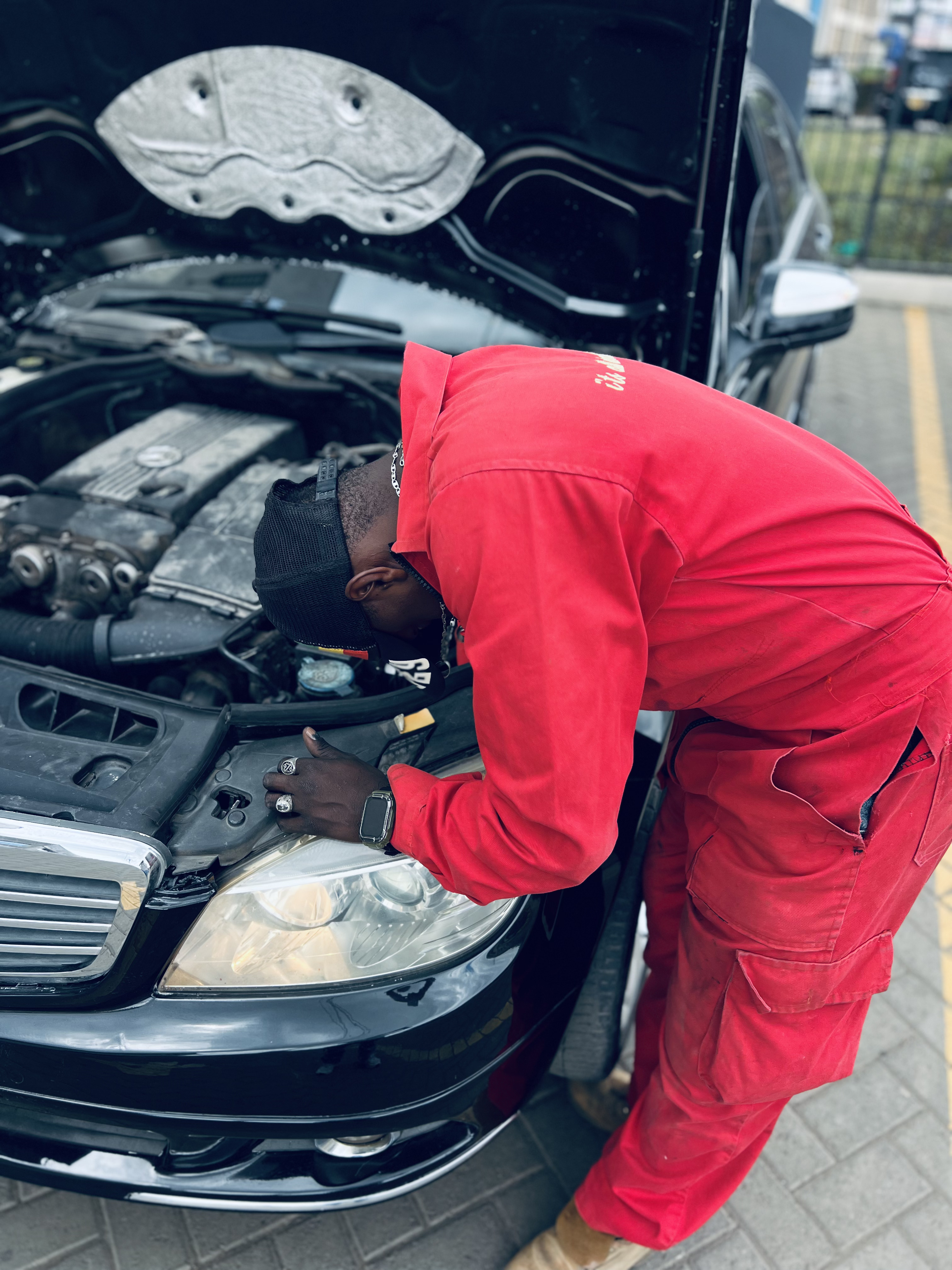
CARE THAT FITS YOUR DAY
The school run, the commute, a working pickup or a weekend away. Start with the way you use your car, and we’ll discuss the care it needs.
04 / BEFORE YOUR VISIT
Book your preferred date, send your details on WhatsApp and wait for the team to confirm your slot.
Photos help start the conversation. An inspection is needed to confirm the work and final quote.
LET’S TALK ABOUT YOUR CAR
A question, a repair or a routine service. Start with the team.
A little clarity before your visit.
Use the Book page. Your details go to us on WhatsApp and we confirm a time.
No. You pay after the work, once you have approved the quote.
A service can be same day. Bodywork and respray usually take several days depending on damage and parts.
Yes. Bring your claim details and we prepare the assessment and repair estimate.
M-Pesa, cash and bank transfer.
Yes. Send them on WhatsApp for a rough estimate before you come in.
Your neighbourhood garage. One conversation away.
YOUR NEXT STEP STARTS WITH A CONVERSATION
A repair, a service or a question you’re not sure how to explain. Tell us what’s happening and we’ll discuss the next step.
REACH THE WORKSHOP
0790407785 ↗Or call 0721222585↗Have photos of the damage? Open our chat, then attach your images in WhatsApp.
Complete the form to prepare your WhatsApp message. You’ll review it and press Send in WhatsApp.
Your message is ready. Open WhatsApp to review and send ↗
TJ & U / BURUBURU, NAIROBI
Give a well-loved family car a considered body refresh. We assess its condition and discuss panel repairs, preparation, paintwork and finishing details within an agreed scope.
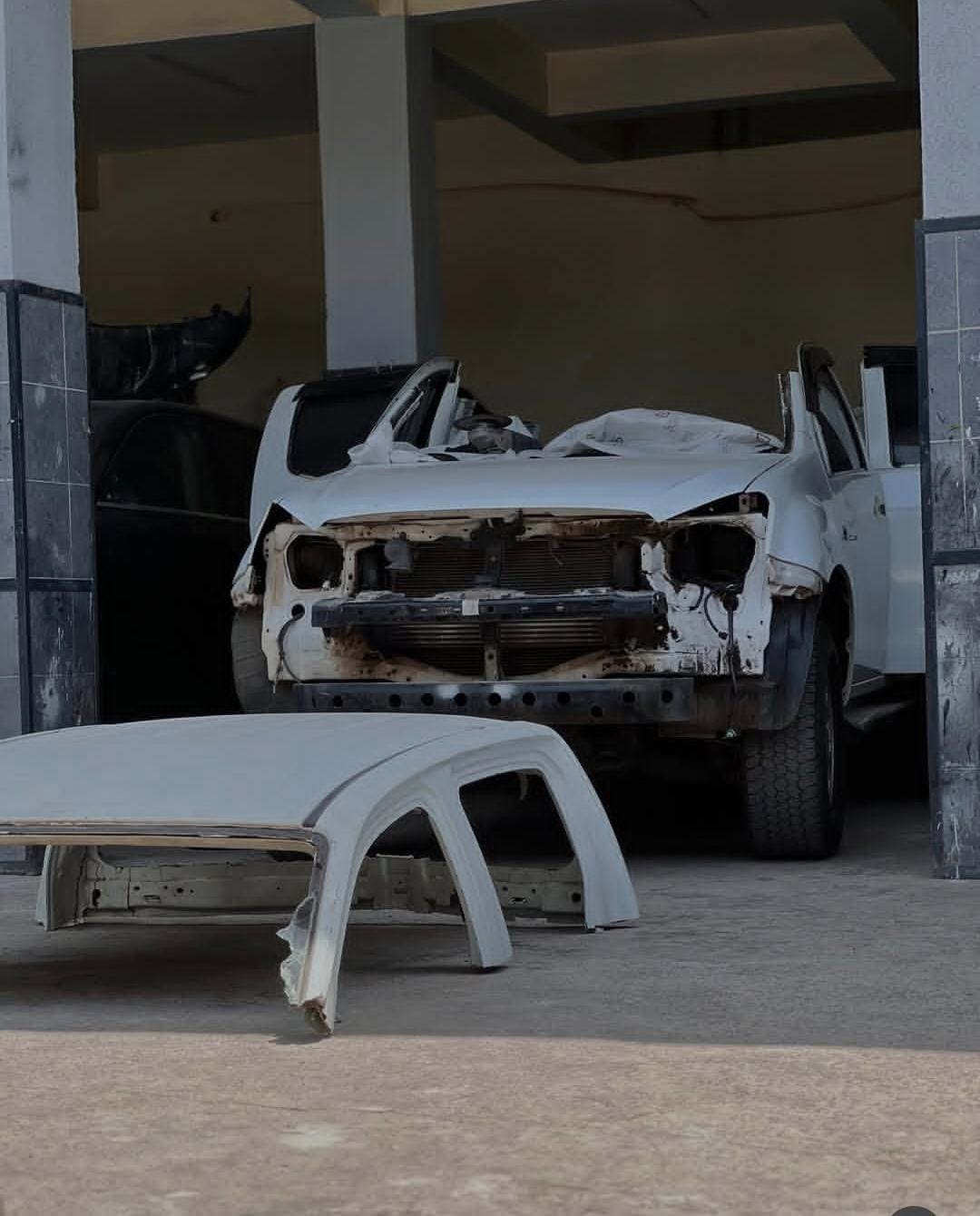
Full body restoration brings the visible bodywork into one coordinated plan. Instead of booking several isolated jobs without considering how they meet, you look at the condition of the complete vehicle and agree what should be repaired, refinished or retained. For one car the priority may be tired paint and scattered parking damage. For another it may be a mixture of previous repairs, loose trim and corrosion that needs assessment before an appearance refresh makes sense.
The word restoration can mean very different things, so the first conversation should define your expectations. Explain whether you want a presentable daily driver, a more thorough exterior refurbishment or an assessment of a long-standing project. A bodywork restoration does not automatically include an engine rebuild, interior retrim or every mechanical issue. Those concerns can be discussed separately, but they should not be assumed to form part of a body and paint quotation simply because the work is extensive.
Bring photographs of the whole car as well as its worst areas. Tell the team about accidents, repainting and any repairs you know have been carried out. This history helps explain differences in colour, surface texture or panel fit. It also avoids planning as though every existing surface is original. If you are still deciding whether to restore the vehicle, ask for an assessment that separates essential repairs from optional appearance work before committing to a complete programme.
A CLOSER LOOK
Give a well-loved family car a considered body refresh. We assess its condition and discuss panel repairs, preparation, paintwork and finishing details within an agreed scope.


BEFORE / DURING / AFTER
Follow the painting stage, from masked panels to the spray work. Matching before and finished-result images will complete this set.
01 Before
Before photos will be added to this job.
02 During work
03 After
The finished result will be added to this job.
SERVICE SCOPE
A clear starting point for the conversation. The work is confirmed after your car is inspected.
Assess the body, existing finish, trim and previous repairs before defining the restoration. Discuss the scope and timing around your household’s needs.
Connect repair and refinishing decisions across the vehicle rather than treating every mark separately.
Agree the intended result, exclusions, materials and approval stages before the job starts.
IS THIS THE RIGHT SERVICE?
Start with what you have noticed. You don’t need to arrive with a diagnosis.
FROM FIRST MESSAGE TO HANDOVER
Share your vehicle details and request a preferred date on WhatsApp.
Colour selection is more than picking an attractive photograph. Lighting, screens and surrounding colours can change how a finish appears. If you are retaining the existing colour, discuss its current condition and the areas against which the new work will be assessed. If you are changing colour, ask how the selected exterior finish relates to visible edges and openings. Confirm any owner responsibilities for notifying the relevant registration or insurance parties before proceeding with a major appearance change.
Surface preparation is central to the finished appearance. Dents, uneven earlier repairs and surface defects need to be considered before the final finish is applied. Discuss the standard being targeted and the areas that are outside the scope, rather than assuming that fresh paint alone corrects every underlying problem. A clear brief can refer to the actual panels and existing condition. It should also distinguish the proposed work from a photograph of a different vehicle under studio lighting.
Think about how you use and maintain the car. A finish selected for a daily vehicle should be considered alongside parking conditions, routine washing and future touch-up needs. Ask which care instructions will apply to the materials actually used. If ceramic coating, film or a wrap is being considered afterwards, discuss compatibility and the required waiting period with the team. The correct sequence depends on the paint system and the next product, so avoid relying on a universal timetable.
Discuss the findings and approve the scope and quote.
A restoration can involve assessment, disassembly, panel repairs, preparation, refinishing, reassembly and final review. The precise sequence depends on the vehicle and agreed scope. Ask which stages need your decisions and how you will receive progress updates. For example, newly exposed damage may require a revised repair proposal before preparation continues. Agreeing those checkpoints makes the process easier to follow and reduces the chance that an unanswered message holds up an important decision.
Before leaving the vehicle, record its condition and remove personal belongings. Confirm who will hold the keys, how the garage can reach you and who is authorised to approve changes if you are unavailable. Where parts are supplied separately, keep a simple record of what has been delivered. You do not need to manage workshop tasks yourself, but a shared list of the vehicle, included components and approved work helps both sides refer to the same project throughout.
Changes to the brief should be recorded rather than left as informal assumptions. A request to include an extra panel, replace a trim item or alter the finish can affect materials and timing. Ask for the effect on the quotation and schedule before approving it. If you decide against additional work, make sure the remaining scope is still clear. Good communication does not require technical language; it requires an understandable description of what will be done and what will remain unchanged.
Agree the next steps and estimated timing for your particular car.
The cost of restoration is linked to the car's starting condition and the extent of the work. A sound body with tired paint presents a different project from a vehicle with corrosion, damage and multiple earlier repairs. Quotes also differ when one includes extensive removal and replacement of trim while another covers a more limited exterior finish. Compare the actual included tasks and materials, not just the headline phrase full restoration or the final amount on its own.
Ask for a realistic estimate after inspection and confirm which parts of the plan depend on further findings or parts availability. A substantial bodywork project should not be booked around an assumed same-day collection. Tell the team about a genuine deadline, such as a planned journey, before authorising the work. If that deadline cannot sensibly match the proposed scope, discuss alternatives early. Leave time for the final review and any specific instructions that apply before normal use.
Keep one main contact for approvals, especially if the car belongs to a family or business. Conflicting instructions about colour, replacement items and optional work can make a large project difficult to follow. Use the same WhatsApp conversation or agreed contact route for important decisions and keep the quotation accessible. If your priorities change during the project, explain them directly and ask for an updated plan rather than assuming the workshop can infer a new budget or deadline.
Review the completed work and any care instructions at handover.
At collection, walk around the vehicle with the agreed scope in mind. Look at the repaired and refinished areas, adjoining panels, visible edges and the fittings that were removed or replaced. Ask about the work completed and any items recorded for later attention. Review the car in suitable lighting and discuss specific observations while the job details are available. A practical handover gives you an opportunity to understand the result rather than simply taking the keys and leaving.
Confirm that the operation of relevant doors, bonnet, boot and fittings has been reviewed as part of the agreed work. If your original brief included a fit or closure concern, bring it back into the handover conversation. Ask what aftercare applies to the new finish, including cleaning, covering the vehicle and fitting additional products. Follow the instructions for the actual materials used, as fresh paint and an older established finish may have different care requirements.
Keep the invoice, repair description and any agreed care information with the vehicle's records. A clear history is useful when future work is assessed or a different owner asks about earlier restoration. If you notice a concern after collection, contact the team with the number plate, date of the visit and photographs showing the issue in context. Describe what you can see or feel without attempting to diagnose it from a small image alone.
INFORMED DECISIONS
More detail when you need it. Explore the scope and the decisions that matter for this service.
A useful assessment works around the vehicle methodically. Doors, wings, bonnet, roof, boot or tailgate and bumpers need to be considered alongside their surrounding trim. Marks that appear unrelated may require adjoining preparation or matching. Point out doors that catch, uneven gaps and water entry you have noticed, as these are different concerns from a cosmetic scratch. The aim is to build a shared record of the condition, including areas you are happy to leave as they are.
Rust, bubbling paint and areas that have previously been filled deserve a specific discussion. The visible surface may not reveal the full extent of deterioration. Ask which areas can be assessed initially and which may become clearer only when access is gained or the old finish is removed. Agree how additional findings will be photographed, explained and quoted before further work proceeds. A sensible restoration plan allows for inspection rather than promising that every hidden condition is already known.
Separate appearance decisions from structural questions. A new paint finish should not be used to disguise a safety concern or compensate for damaged supporting parts. Where structural damage is suspected, the appropriate assessment and repair requirements come before choosing a colour. If the vehicle has been off the road, discuss its overall roadworthiness and transport arrangements as well. A bodywork project and the work needed to return a vehicle to everyday use may overlap, but they are not identical scopes.
Write down the panels and components included in the quotation. A complete exterior repaint can still leave important differences in expectations about door shuts, inner edges, engine bay areas and the underside of panels. Ask what will be visible when a door or bonnet is opened and what will remain in the existing finish. These decisions affect access, preparation, materials and labour. They are easier to agree at the start than after the vehicle has already been stripped.
Trim, seals, badges, lamps and exterior fittings also need a plan. Some items can be retained, while others may be worn, damaged or difficult to remove without replacement. Ask which parts are included, which will be assessed during the work and which depend on availability. If you intend to supply any components yourself, discuss suitability and timing before ordering. A delayed or incompatible item can change the sequence of an otherwise carefully planned restoration.
If your budget is limited, discuss priorities openly. It may be more practical to address a defined group of repairs first than to start a broad project with unclear exclusions. Ask the team to distinguish the agreed restoration from future ideas such as wheel refinishing, wrapping or protective film. You can then make decisions about a coherent result without assuming that every finishing service is automatically bundled together. Keep the approved list with the messages and quotation for reference.
BEFORE YOU BOOK
The bodywork quotation covers the panels, preparation, refinishing and related items specifically agreed with you. Engine work, suspension, brakes, interior repairs and other mechanical needs are separate unless clearly included. Explain all your concerns during assessment so the team can distinguish the restoration scope from other work needed on the vehicle.
The affected areas need inspection before a repair plan can be discussed. Visible bubbling may not show the full extent of corrosion. Ask which areas need further access and how new findings will be approved. A fresh finish alone is not a solution for untreated deterioration or structural damage.
Discuss the desired colour, finish and included areas before approving the quotation. Door openings and other visible edges need an explicit scope. Ask about material suitability and confirm any registration or insurance requirements that apply to your vehicle. A colour shown on a phone is a reference point, not a final finish sample.
The timeframe depends on condition, repair extent, parts, materials and agreed finishing work. Request an estimate after inspection and ask which stages may change after further access. Keep transport plans flexible until collection is confirmed. There is no single completion time that sensibly applies to every full body restoration.
YOUR LOCAL WORKSHOP
To begin, send the make, model, approximate year and a short description of your goals. Include wide photographs of both sides, the front and rear, then closer views of damage, corrosion or previous repairs that concern you. Explain whether the car is in regular use and whether it can be driven normally. Photographs help prepare the conversation, but a complete restoration quotation needs the condition and intended scope to be discussed with the vehicle present.
Use the booking form to request full body restoration and provide your preferred date. The team needs to confirm availability before your workshop visit is arranged. If the vehicle is not currently roadworthy, discuss suitable transport before travelling. Use the contact details shown on the website to confirm the current workshop directions and opening hours rather than relying on an old saved location. Bring any existing repair notes or relevant information about parts already purchased for the project.
You do not need a finished specification to make the first enquiry. It is enough to explain what you want to improve, what you want to keep and the decisions you are unsure about. The useful next step is an assessment that turns those aims into a manageable plan. Ask for plain-language explanations, clear exclusions and agreed approval stages so that the project starts with a shared understanding of the vehicle and the outcome you are considering.
One conversation. A clear next step.