
01 / CLARITY
A clear starting point.
We inspect your car, explain what needs attention and agree the quote before work begins.

BURUBURU, NAIROBI / IT'S ALL ABOUT YOU
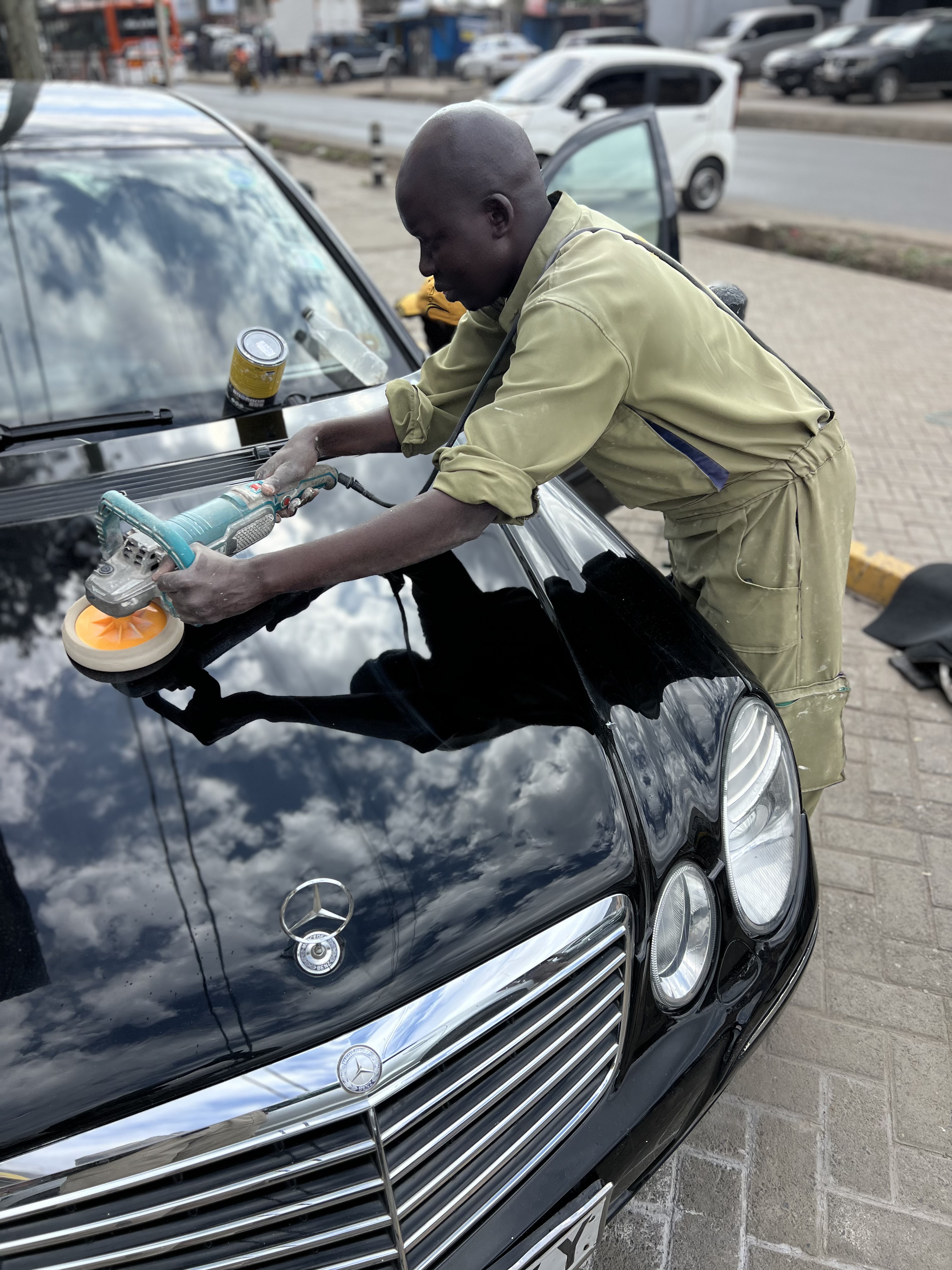
Repairs, Color Craft paint and ceramic coating
from the neighbourhood garage on Rabai Road. Honest work on every car that rolls in.
01 / OUR EXPERTISE
From the first diagnostic to the final polish, give your car the attention it deserves.
All garage services ↗02 / ABOUT YOUR GARAGE
TJ and U Auto brings mechanical repairs, painting and finishing together in Buruburu Phase 1, Nairobi. With more than 10 years of experience on Nairobi roads, we fix cars properly and explain the work in plain language.
The wrench in the fist on our sign reflects our approach: practical, hands-on and something to stand behind. From a small dent to a larger repair, we start by understanding what your car needs.
Get to know your garage ↗We inspect your car, explain what needs attention and agree the quote before work begins.
Keep in touch on WhatsApp for progress updates and questions about your repair.
Bodywork, painting and mechanical repairs, brought together in one neighbourhood workshop.
FAMILIAR BADGES. INDIVIDUAL CARE.
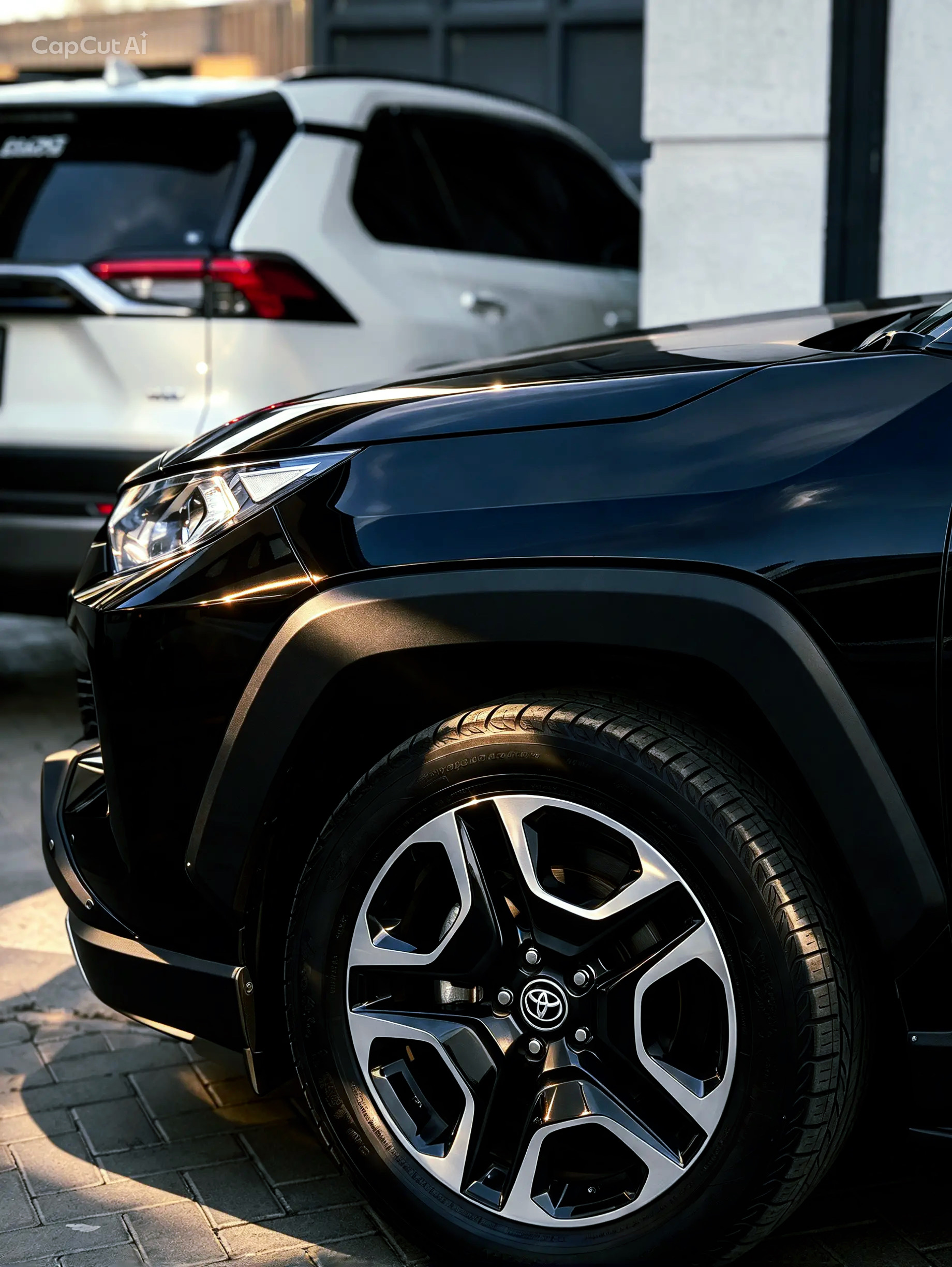
From Toyota and Isuzu to your everyday favourite. Tell us your make and model, and we’ll discuss the work your car needs.
 Sports Car
 Daily Car
 Nissan
 Mazda
 Subaru
 Mitsubishi
 Honda
 Luxury 4x4
 Volkswagen
 Mercedes-Benz
 BMW
 Audi
 Land Rover
 Ford
 Hyundai
 Kia
 Peugeot
 Renault
 Lexus
 Volvo
 Hino
 Daihatsu
Logos identify vehicle makes; no manufacturer affiliation is implied. Ask us about your specific model.
04 / THE ROAD BACK
From your first message to collection, know what happens next.
05 / CUSTOMER VOICES
Been to TJ & U? Tell us how your visit went. Your feedback helps us keep improving.
Share your experience ↗ GOOGLE REVIEWSTj And U Auto GarageKariobangi South, Rabai Rd, West, Kenya
Read on GoogleDid not finalize my insurance claim, however small it was. But the staff are amazing and very hospitable. Sad I can't give them 6 stars I had to sort my self.
Read full review on GoogleOutstanding service and highly professional staff! I’ve taken my vehicle to several insurance-approved garages before, but this one truly stands out above the rest. The level of detail and care they put into …
Read on GoogleThis garage however popular it is, still has major red flags🚩.I took my car to them for a simple spiral cable replacement , only for the mechanic to replace the cable and stealing my steering angle sensor. The horn works well but now facing sensor issues. I WOULDN'T RECOMMEND
Read on GoogleIt was amazing garage
Read on GoogleClean job and good-hearted management.
Read on GoogleFor all auto works with the best service..... Just in Time
Read on GoogleVery good services
Read on GoogleVery efficient
Read on GoogleNice ples👍👍
Google review snapshot · updated 23 Oct 2026. Maintained by the garage.
See the latest reviews on Google ↗FROM THE GARAGE JOURNAL
A little preparation makes the next conversation easier.
Visit the journal ↗06 / YOUR NEIGHBOURHOOD GARAGE
Find us in Buruburu Phase 1. Call or message before your visit to confirm your slot and get directions to the workshop.
One conversation.
A clear next step.
YOUR NEXT CHAPTER STARTS HERE
Have a question first? Talk to the team ↗
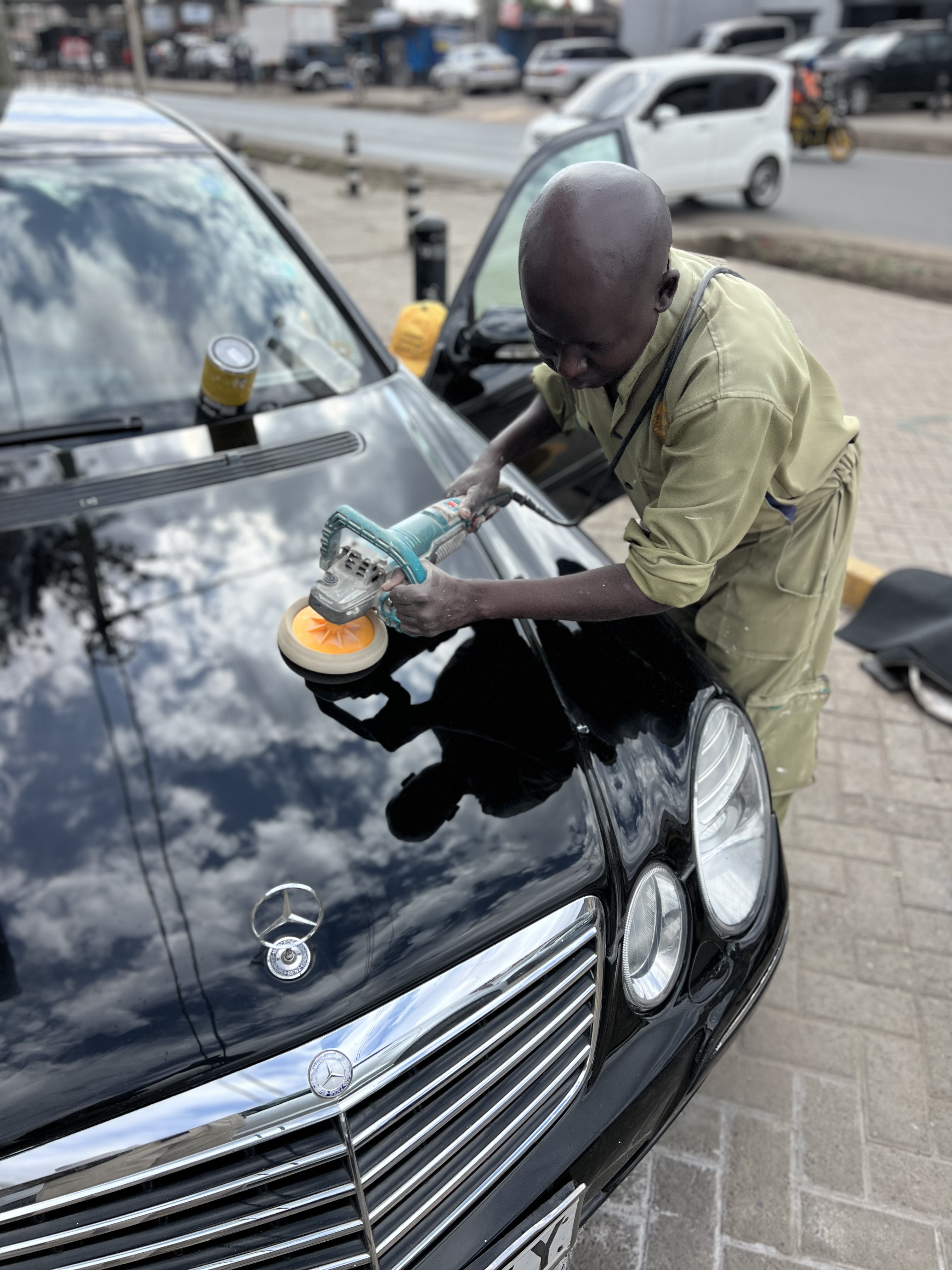
Precision care. From panel to powertrain.
PRECISION / CARE / CRAFT
From a dented panel to an engine fault, find the right starting point for your car. We inspect, explain the work and agree the quote before repairs begin.
NOT SURE WHERE TO START?
Share your make, model and what you’ve noticed. Photos help with visible damage; an inspection confirms the work and quote.
Your next move starts here.
Fill this in and it opens WhatsApp with your details ready to send. We reply to confirm the time.
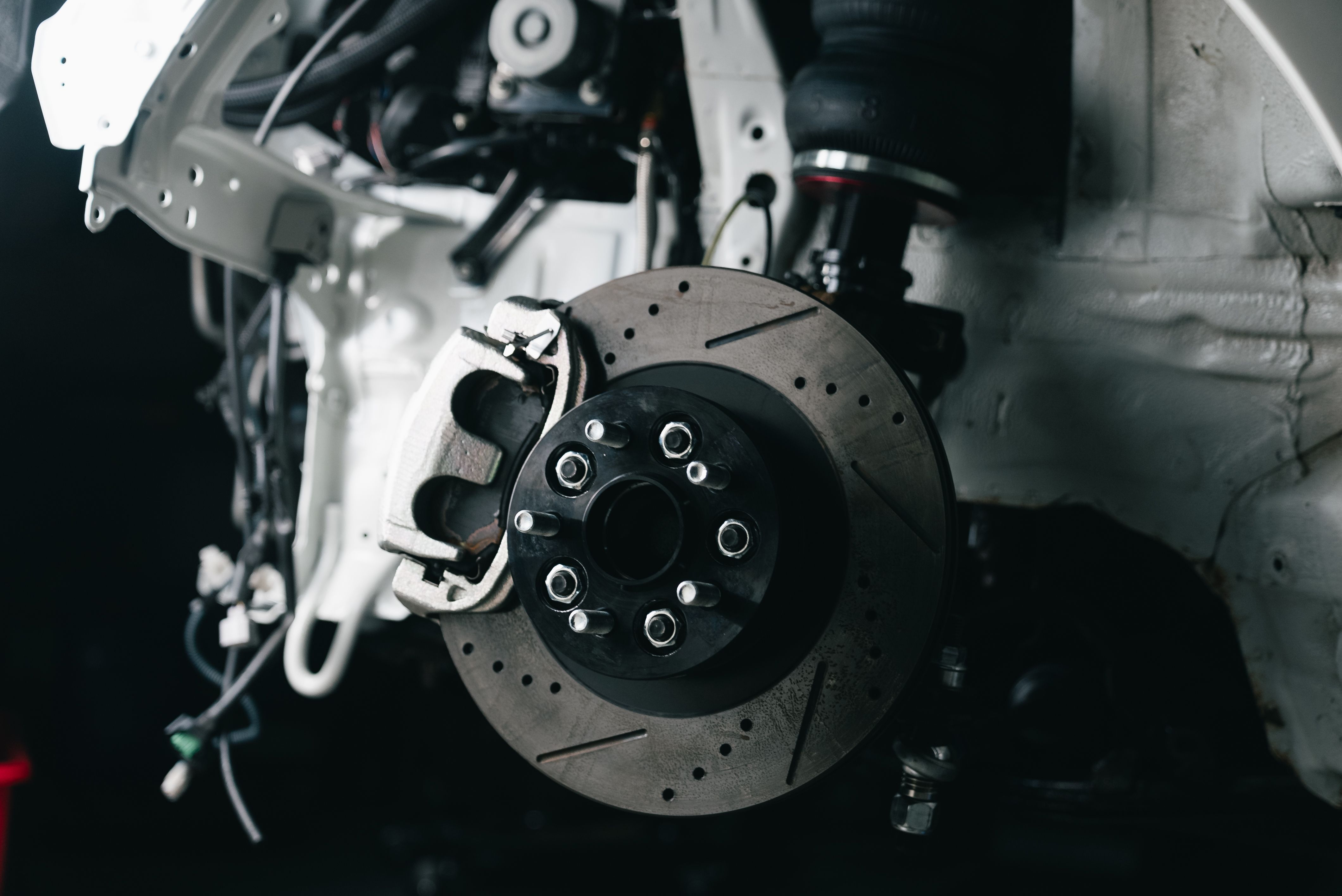
Useful reads for the road, the workshop and everyday car ownership.
THE TJ & U JOURNAL
Practical guides to preparing for repairs, asking better questions and keeping track of your car’s care.
HAVE A QUESTION ABOUT YOUR CAR?
Our guides are a starting point. The team can discuss your particular vehicle and arrange an inspection.
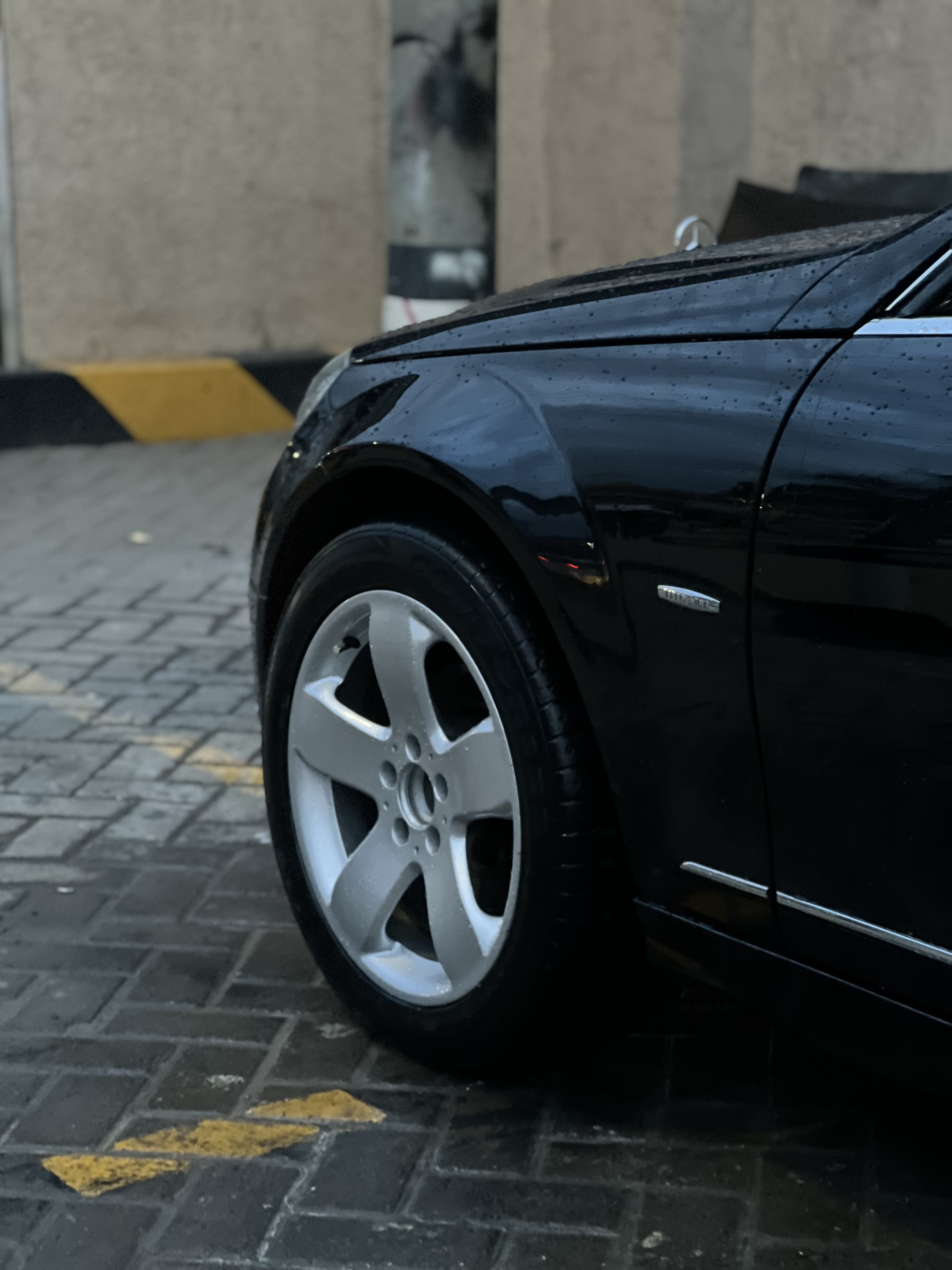
T J & U Auto Garage. It's all about You.
TJ & U / BURUBURU, NAIROBI
Your car keeps your day moving. We’re here to help you look after it, with straightforward advice and pride in the work.
01 / OUR STORY
TJ & U Garage brings bodywork, painting and mechanical repairs together in Buruburu Phase 1, Nairobi.
The wrench in the fist on our sign reflects our approach: practical, hands-on and something to stand behind. From a small dent to a larger repair, we start by understanding what your car needs.
You don’t need to arrive with a diagnosis. Tell us what you’ve noticed, show us the damage or describe how your car feels. We’ll inspect it and discuss the next step with you.
Talk to your garage ↗We inspect your car, explain what needs attention and agree the quote before work begins.
Keep in touch on WhatsApp for progress updates and questions about your repair.
Bodywork, painting and mechanical repairs, brought together in one neighbourhood workshop.
02 / WHAT WE DO
Different problems need different attention. Our work covers the visible details and the systems that keep your car moving.
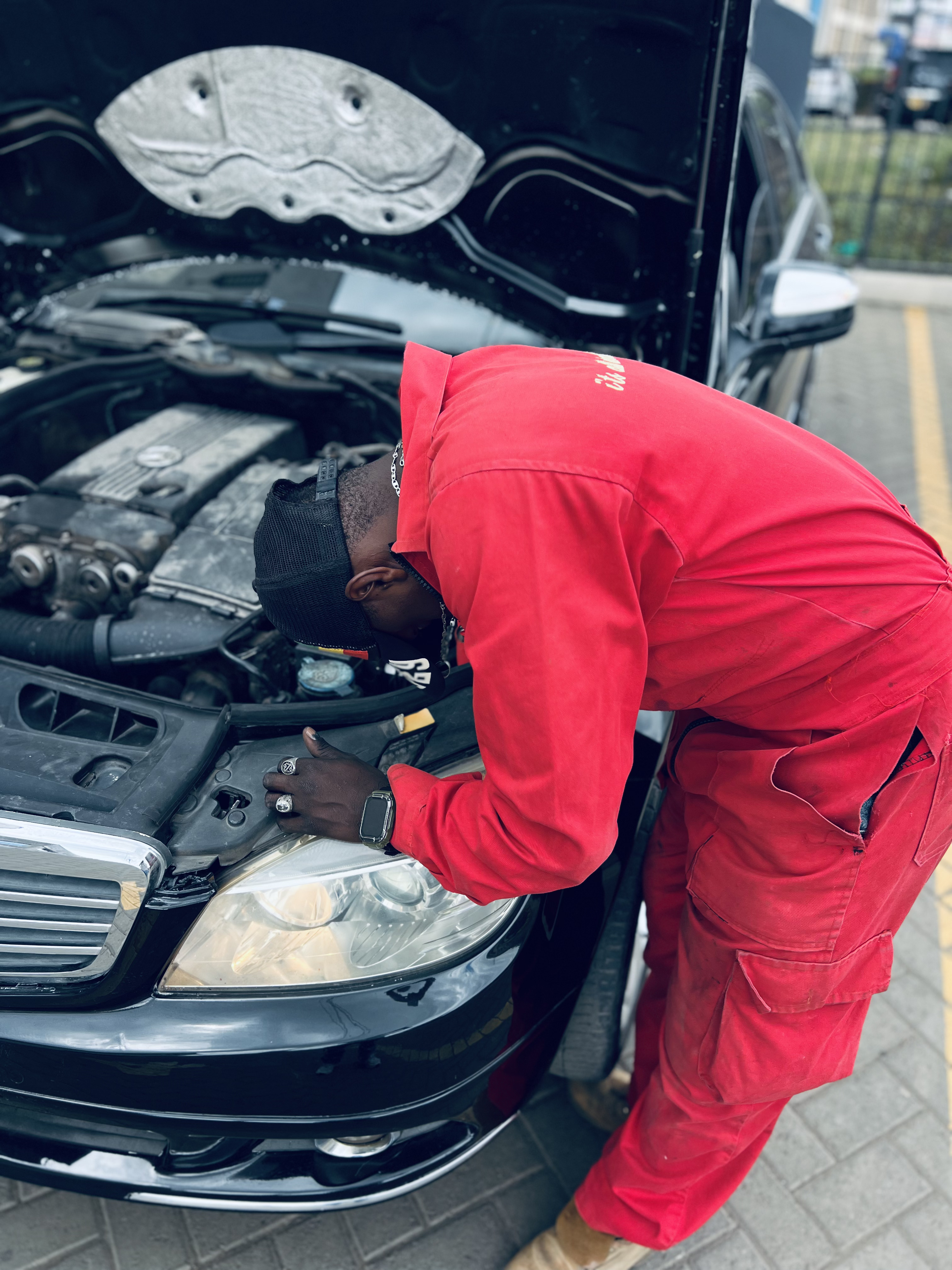
CARE THAT FITS YOUR DAY
The school run, the commute, a working pickup or a weekend away. Start with the way you use your car, and we’ll discuss the care it needs.
04 / BEFORE YOUR VISIT
Book your preferred date, send your details on WhatsApp and wait for the team to confirm your slot.
Photos help start the conversation. An inspection is needed to confirm the work and final quote.
LET’S TALK ABOUT YOUR CAR
A question, a repair or a routine service. Start with the team.
A little clarity before your visit.
Use the Book page. Your details go to us on WhatsApp and we confirm a time.
No. You pay after the work, once you have approved the quote.
A service can be same day. Bodywork and respray usually take several days depending on damage and parts.
Yes. Bring your claim details and we prepare the assessment and repair estimate.
M-Pesa, cash and bank transfer.
Yes. Send them on WhatsApp for a rough estimate before you come in.
Your neighbourhood garage. One conversation away.
YOUR NEXT STEP STARTS WITH A CONVERSATION
A repair, a service or a question you’re not sure how to explain. Tell us what’s happening and we’ll discuss the next step.
REACH THE WORKSHOP
0790407785 ↗Or call 0721222585↗Have photos of the damage? Open our chat, then attach your images in WhatsApp.
Complete the form to prepare your WhatsApp message. You’ll review it and press Send in WhatsApp.
Your message is ready. Open WhatsApp to review and send ↗
TJ & U / BURUBURU, NAIROBI
Refresh the wheels on your everyday family car with a careful assessment first. We separate cosmetic wear from cracks, distortion or damage that needs specialist attention or replacement.

Rim restoration is a conversation about the condition and finish of the vehicle's wheels. Owners commonly use the term for cosmetic improvement, such as refreshing scuffed paint or a deteriorated clear finish. The first assessment should establish whether the concern is actually cosmetic. A wheel with a crack, distortion, damage around its fixings or another structural concern needs a different decision from a wheel whose finish has simply become tired. Looking better is not evidence that a wheel is suitable for use.
Explain what happened and what you have noticed while driving. A scrape during parking, a pothole impact and gradual finish deterioration have different implications. Tell the team about vibration, loss of tyre pressure or a change that began after an incident. Those symptoms should not be assumed to come from cosmetic damage alone. The useful next step is an assessment that distinguishes the visible finish from any concern that needs tyre, wheel or related vehicle checks before appearance work is considered.
Bring photographs of all the wheels as well as close views of the damaged area. Include the wheel size and any information you have about its manufacturer or previous repairs. If the wheels are aftermarket, identify that early. Different materials, construction and finishes can affect what work is suitable. You do not need to know the precise technical specification to enquire, but a clear description helps avoid treating every wheel as an interchangeable surface that can safely receive the same process.
SERVICE SCOPE
A clear starting point for the conversation. The work is confirmed after your car is inspected.
Distinguish surface marks and finish deterioration from cracks, distortion or other safety concerns. Discuss the scope and timing around your household’s needs.
Discuss colour, appearance, existing wheel construction and the preparation included.
Plan consistency across the wheels and clarify access, removal and refitting arrangements.
A CLOSER LOOK
Refresh the wheels on your everyday family car with a careful assessment first. We separate cosmetic wear from cracks, distortion or damage that needs specialist attention or replacement.

FROM FIRST MESSAGE TO HANDOVER
Share your vehicle details and request a preferred date on WhatsApp.
Preparation should reflect the wheel's condition, material and intended finish. Ask which cosmetic defects will be addressed and which marks may remain outside the scope. A finish can be renewed without every existing imperfection necessarily disappearing, particularly where more aggressive work would be inappropriate. The quotation should describe the agreed standard and any limitations. This is more useful than a broad statement that the wheels will look new without explaining what that means for the actual set on your car.
Wheel and tyre handling should be discussed as part of the plan. Confirm whether the quotation includes removal, tyre work, balancing and refitting where those tasks are required. If another provider will handle part of the process, agree who is responsible and how the newly finished surfaces will be protected. Do not assume that a cosmetic price automatically includes every related operation. The practical arrangements affect both the schedule and what you should expect at collection.
Point out existing damage to centre caps, fasteners, valves or associated fittings before work begins. Ask which components need separate attention or replacement and whether parts are readily available. The suitability of fasteners and the condition of mounting areas are not decorative details. Any refitting should follow the vehicle and wheel requirements. You should not need to specify workshop procedures yourself, but you should understand which related concerns are included and which require a separate decision before the vehicle is returned to use.
Discuss the findings and approve the scope and quote.
The number of wheels, current finish and degree of preparation all influence the work. A light cosmetic refresh differs from a set with extensive finish deterioration or an existing coating that needs assessment. Wheel size and design can also affect access to recesses and the time involved. Ask for a quotation that identifies the set and the intended finish, rather than assuming that a price for another car or a simple design will apply to yours.
Discuss timing and transport. If the wheels need to be removed for the agreed work, ask how the vehicle will be accommodated and whether you need to arrange alternative transport. Do not assume you can continue using the car while all wheels are undergoing refurbishment. If you have a spare set, discuss its suitability and the handling arrangements before bringing it. Confirm collection only when the team has explained the completion and any care requirements for the finish being used.
If a condition issue appears during preparation, ask for the findings and options before the job continues. A cosmetic estimate should not become automatic permission for structural repair or replacement parts. Keep one contact for approvals, particularly if someone else delivers the wheels. Record changes to colour, included areas or components in the same conversation. Clear decisions help the workshop complete the agreed job while preserving the distinction between appearance work and separate safety or mechanical concerns.
Agree the next steps and estimated timing for your particular car.
Ask for the cleaning guidance appropriate to the actual finish. Wheels collect dirt and brake dust, but aggressive cleaning products, abrasive tools or unsuitable polishing can affect their appearance. A newly refinished wheel may also have initial care instructions that differ from a long-established finish. Follow the specific advice provided and avoid assuming that any product labelled wheel cleaner suits every painted, polished or specialist surface. If you are unsure, ask before applying it to the whole set.
Regular cleaning with suitable equipment makes it easier to notice fresh damage and changes in the finish. Keep wheel cleaning tools separate from paintwork equipment to avoid transferring abrasive dirt to the body. If contamination does not come away readily, seek advice instead of scrubbing harder or mixing chemicals. Describe which product has already been used and provide a clear photograph where helpful. A factual account supports a better response than trying several treatments and losing track of what changed.
Check for new kerb contact and impacts as part of normal ownership. Cosmetic restoration does not make a wheel immune to fresh damage, and a later incident should be assessed on its own condition. If you notice pressure loss, vibration or a change in the way the car drives, address that promptly through an appropriate inspection. Do not treat an attractive finish as reassurance about a wheel or tyre that now shows a separate operational concern after hitting an obstacle.
Review the completed work and any care instructions at handover.
At collection, review all the wheels in suitable light and compare them with the agreed finish. Look at the areas included in the quotation and ask about any limitations discussed during preparation. If one wheel was restored to match an older set, review that relationship explicitly. A useful handover explains what was completed, which components were retained or replaced and what remains outside the work. Keep that explanation with the invoice rather than relying on a vague memory of the original appearance.
Ask about the related handling work included, such as tyre removal or balancing, and confirm what aftercare applies before normal use. The vehicle and wheel manufacturers' requirements remain relevant to fitting and maintenance. If a specialist concern was referred elsewhere, keep the assessment record and follow up on it rather than assuming a cosmetic job has resolved it. The distinction between renewed finish and mechanical condition should be just as clear at collection as it was at the first enquiry.
If you notice something after the visit, contact the team with the car details, collection date and a description of the change. Include wide and close photographs for an appearance concern. For a driving symptom, explain when it occurs and seek appropriate advice before continuing as normal. Do not attempt your own heating, straightening or coating removal to investigate. Keep the condition and repair history available so the next assessment can use the same facts rather than starting from assumptions.
IS THIS THE RIGHT SERVICE?
Start with what you have noticed. You don’t need to arrive with a diagnosis.
BEFORE YOU BOOK
No. Cosmetic restoration should be separated from structural damage. The correct decision depends on the condition of the wheel and manufacturer guidance, and some wheels must not be repaired by welding, heating or straightening. Arrange an appropriate assessment rather than assuming that a new finish makes a damaged wheel suitable for continued use.
Discuss the intended colour and finish after the wheel material and condition have been reviewed. Confirm the included areas, preparation and whether you want one wheel or the complete set refinished. A colour shown on a phone is a reference, so ask how the final choice will be agreed before work begins.
The quote should say which wheel and tyre handling operations are included or arranged separately. Removal, tyre work, balancing, fittings and refitting should not be assumed from a cosmetic service name alone. Ask about transport and collection arrangements too if the wheels will be off the vehicle during the agreed work.
Appearance work should follow assessment rather than conceal a condition concern. Tell the team about impacts, pressure loss, vibration and previous wheel repairs before approving cosmetic work. Ask which defects are cosmetic and which need another decision. The safety of a wheel cannot be established simply from the quality of its visible finish.
YOUR LOCAL WORKSHOP
Send photographs showing the complete wheel, the affected area and the rest of the set. Share the vehicle model, wheel size if known and whether the wheels are original or aftermarket. Describe the incident or gradual change that prompted the enquiry and mention any pressure loss or vibration. Ask for rim restoration if your aim is appearance, while making those other concerns explicit so the initial appointment can be discussed with the correct priorities in mind.
Use the booking form to request a preferred visit and wait for confirmation of availability. Confirm current workshop directions and any arrangements for bringing loose wheels before travelling. If you are supplying replacement caps or another finish reference, discuss them ahead of time. Do not buy parts on an assumption that they will fit simply because they look similar. The assessment should establish a practical scope for your wheel design, material and condition before a finish is approved.
You can begin with a simple goal such as refreshing a scuffed set or exploring a colour that works with the car. The useful next step is a clear explanation of suitable options, limitations and related handling. Ask which cosmetic work is included and whether another condition needs attention first. That approach produces a more informed result than treating all visible wheel damage as a refinishing task, while keeping the finished appearance connected to the vehicle's actual condition.
INFORMED DECISIONS
More detail when you need it. Explore the scope and the decisions that matter for this service.
Surface scuffs, finish peeling and staining need to be distinguished from cracks, bending and damage to important mounting areas. A photograph can help show a concern, but it does not confirm the complete condition of a wheel. If an impact was substantial or the vehicle now behaves differently, explain that before arranging a cosmetic appointment. The team should understand the history rather than beginning from an assumption that a visible kerb mark is the only issue involved.
Do not use a fresh finish to cover a suspected structural defect. Whether a damaged wheel can remain in service depends on its condition and the applicable manufacturer guidance. Some wheels must not be welded, heated or straightened as a repair. Ask for the appropriate assessment instead of assuming every crack or distortion is repairable. Where replacement or specialist advice is the sensible next step, cosmetic restoration should not be presented as an alternative to resolving the underlying concern.
Tyre condition is relevant too. A wheel impact may involve the tyre, and continuing to use the car with pressure loss or an obvious change in handling requires appropriate attention. Describe the symptoms and seek advice before driving to a routine appearance appointment. Keep any previous repair notes or inspection findings. A condition-first discussion gives you a clearer decision about the wheel, the tyre and the proposed work than a quotation based only on making the outside face look new.
Once suitability has been assessed, discuss the existing finish and the appearance you want. Painted, polished, machined and other wheel finishes are not the same process, and a proposed refurbishment should explain what is actually included. A colour change may be possible as an appearance decision, but the wheel's construction and manufacturer guidance remain relevant. Ask which options are appropriate rather than choosing solely from a photograph of a different wheel that may have a different surface or design.
Consider the whole set. Restoring one wheel can raise questions about matching an older finish on the other three, while refinishing the set offers a different scope. Explain whether you want to retain the original appearance or create a coordinated change with the body colour and trim. Lighting and screens can alter the perception of silver, grey and other tones. Where practical, discuss a real finish reference so the intended result is clearer than a colour name alone.
Also identify which areas are included. The visible face, inner barrel, recessed areas, centre caps and other fittings may be treated differently or excluded. Ask whether decorative items are retained, replaced or supplied separately. If you are planning new tyres, discuss the timing before the finish work is scheduled. A coherent plan considers the finished wheel as an assembled component rather than treating the outside face as the whole job and leaving practical access decisions until later.
One conversation. A clear next step.