01 / CLARITY
A clear starting point.
We inspect your car, explain what needs attention and agree the quote before work begins.

BURUBURU, NAIROBI / IT'S ALL ABOUT YOU
Repairs, Color Craft paint and ceramic coating
from the neighbourhood garage on Rabai Road. Honest work on every car that rolls in.
01 / OUR EXPERTISE
From the first diagnostic to the final polish, give your car the attention it deserves.
All garage services ↗02 / ABOUT YOUR GARAGE
TJ and U Auto brings mechanical repairs, painting and finishing together in Buruburu Phase 1, Nairobi. With more than 10 years of experience on Nairobi roads, we fix cars properly and explain the work in plain language.
The wrench in the fist on our sign reflects our approach: practical, hands-on and something to stand behind. From a small dent to a larger repair, we start by understanding what your car needs.
Get to know your garage ↗We inspect your car, explain what needs attention and agree the quote before work begins.
Keep in touch on WhatsApp for progress updates and questions about your repair.
Bodywork, painting and mechanical repairs, brought together in one neighbourhood workshop.
FAMILIAR BADGES. INDIVIDUAL CARE.
From Toyota and Isuzu to your everyday favourite. Tell us your make and model, and we’ll discuss the work your car needs.
 Sports Car
 Daily Car
 Nissan
 Mazda
 Subaru
 Mitsubishi
 Honda
 Luxury 4x4
 Volkswagen
 Mercedes-Benz
 BMW
 Audi
 Land Rover
 Ford
 Hyundai
 Kia
 Peugeot
 Renault
 Lexus
 Volvo
 Hino
 Daihatsu
Logos identify vehicle makes; no manufacturer affiliation is implied. Ask us about your specific model.
04 / THE ROAD BACK
From your first message to collection, know what happens next.
05 / CUSTOMER VOICES
Been to TJ & U? Tell us how your visit went. Your feedback helps us keep improving.
Share your experience ↗ GOOGLE REVIEWSTj And U Auto GarageKariobangi South, Rabai Rd, West, Kenya
Read on GoogleDid not finalize my insurance claim, however small it was. But the staff are amazing and very hospitable. Sad I can't give them 6 stars I had to sort my self.
Read full review on GoogleOutstanding service and highly professional staff! I’ve taken my vehicle to several insurance-approved garages before, but this one truly stands out above the rest. The level of detail and care they put into …
Read on GoogleThis garage however popular it is, still has major red flags🚩.I took my car to them for a simple spiral cable replacement , only for the mechanic to replace the cable and stealing my steering angle sensor. The horn works well but now facing sensor issues. I WOULDN'T RECOMMEND
Read on GoogleIt was amazing garage
Read on GoogleClean job and good-hearted management.
Read on GoogleFor all auto works with the best service..... Just in Time
Read on GoogleVery good services
Read on GoogleVery efficient
Read on GoogleNice ples👍👍
Google review snapshot · updated 23 Oct 2026. Maintained by the garage.
See the latest reviews on Google ↗FROM THE GARAGE JOURNAL
A little preparation makes the next conversation easier.
Visit the journal ↗06 / YOUR NEIGHBOURHOOD GARAGE
Find us in Buruburu Phase 1. Call or message before your visit to confirm your slot and get directions to the workshop.
One conversation.
A clear next step.
YOUR NEXT CHAPTER STARTS HERE
Have a question first? Talk to the team ↗
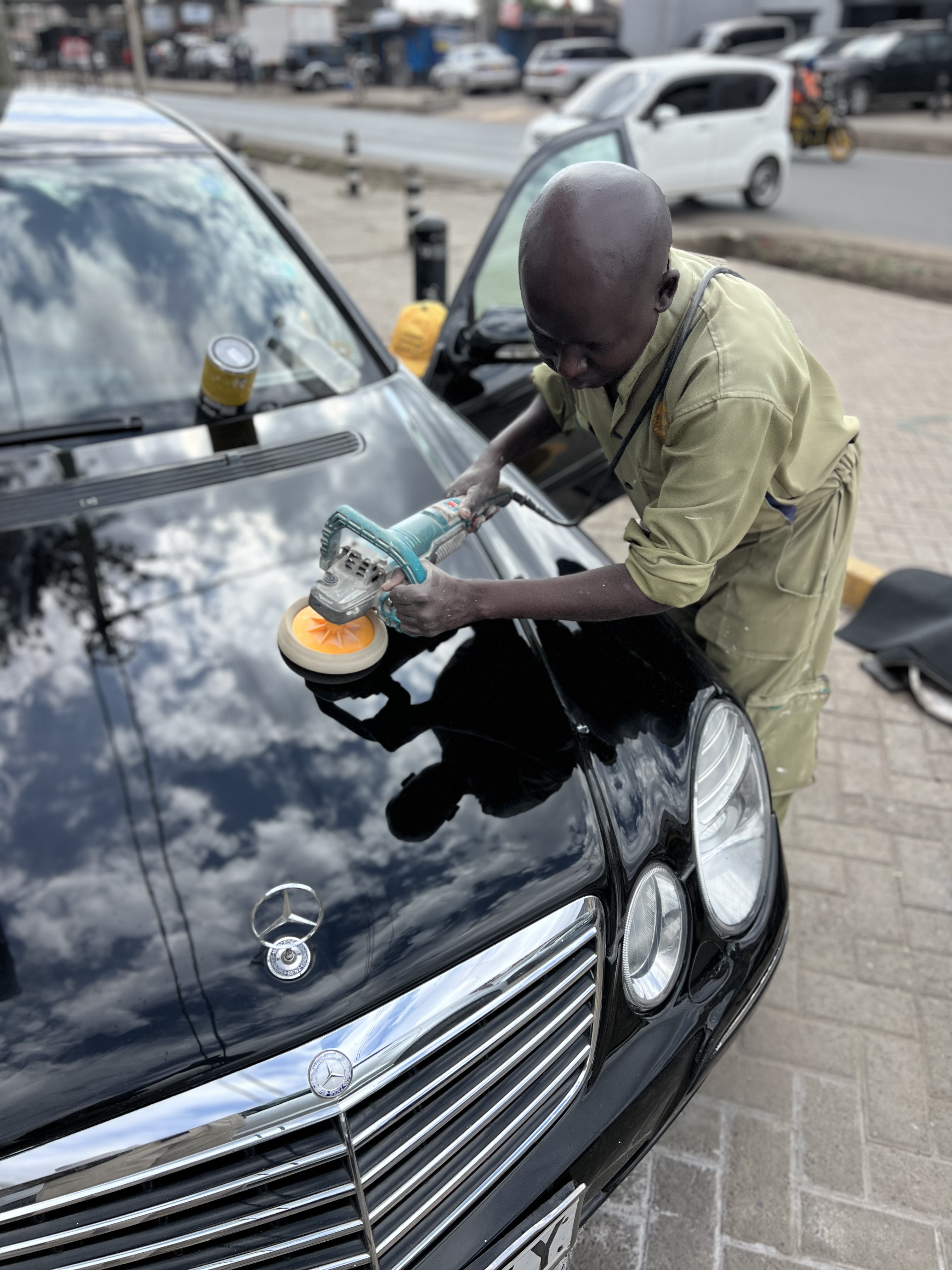
Precision care. From panel to powertrain.
PRECISION / CARE / CRAFT
From a dented panel to an engine fault, find the right starting point for your car. We inspect, explain the work and agree the quote before repairs begin.
NOT SURE WHERE TO START?
Share your make, model and what you’ve noticed. Photos help with visible damage; an inspection confirms the work and quote.
Your next move starts here.
Fill this in and it opens WhatsApp with your details ready to send. We reply to confirm the time.
Useful reads for the road, the workshop and everyday car ownership.
THE TJ & U JOURNAL
Practical guides to preparing for repairs, asking better questions and keeping track of your car’s care.
HAVE A QUESTION ABOUT YOUR CAR?
Our guides are a starting point. The team can discuss your particular vehicle and arrange an inspection.
T J & U Auto Garage. It's all about You.
TJ & U / BURUBURU, NAIROBI
Your car keeps your day moving. We’re here to help you look after it, with straightforward advice and pride in the work.
01 / OUR STORY
TJ & U Garage brings bodywork, painting and mechanical repairs together in Buruburu Phase 1, Nairobi.
The wrench in the fist on our sign reflects our approach: practical, hands-on and something to stand behind. From a small dent to a larger repair, we start by understanding what your car needs.
You don’t need to arrive with a diagnosis. Tell us what you’ve noticed, show us the damage or describe how your car feels. We’ll inspect it and discuss the next step with you.
Talk to your garage ↗We inspect your car, explain what needs attention and agree the quote before work begins.
Keep in touch on WhatsApp for progress updates and questions about your repair.
Bodywork, painting and mechanical repairs, brought together in one neighbourhood workshop.
02 / WHAT WE DO
Different problems need different attention. Our work covers the visible details and the systems that keep your car moving.
CARE THAT FITS YOUR DAY
The school run, the commute, a working pickup or a weekend away. Start with the way you use your car, and we’ll discuss the care it needs.
04 / BEFORE YOUR VISIT
Book your preferred date, send your details on WhatsApp and wait for the team to confirm your slot.
Photos help start the conversation. An inspection is needed to confirm the work and final quote.
LET’S TALK ABOUT YOUR CAR
A question, a repair or a routine service. Start with the team.
A little clarity before your visit.
Use the Book page. Your details go to us on WhatsApp and we confirm a time.
No. You pay after the work, once you have approved the quote.
A service can be same day. Bodywork and respray usually take several days depending on damage and parts.
Yes. Bring your claim details and we prepare the assessment and repair estimate.
M-Pesa, cash and bank transfer.
Yes. Send them on WhatsApp for a rough estimate before you come in.
Your neighbourhood garage. One conversation away.
YOUR NEXT STEP STARTS WITH A CONVERSATION
A repair, a service or a question you’re not sure how to explain. Tell us what’s happening and we’ll discuss the next step.
REACH THE WORKSHOP
0790407785 ↗Or call 0721222585↗Have photos of the damage? Open our chat, then attach your images in WhatsApp.
Complete the form to prepare your WhatsApp message. You’ll review it and press Send in WhatsApp.
Your message is ready. Open WhatsApp to review and send ↗
TJ & U / BURUBURU, NAIROBI
Make your family car feel more your own. Explore colours, finishes and full or partial coverage, with paint condition, cost and ongoing care explained before you choose.
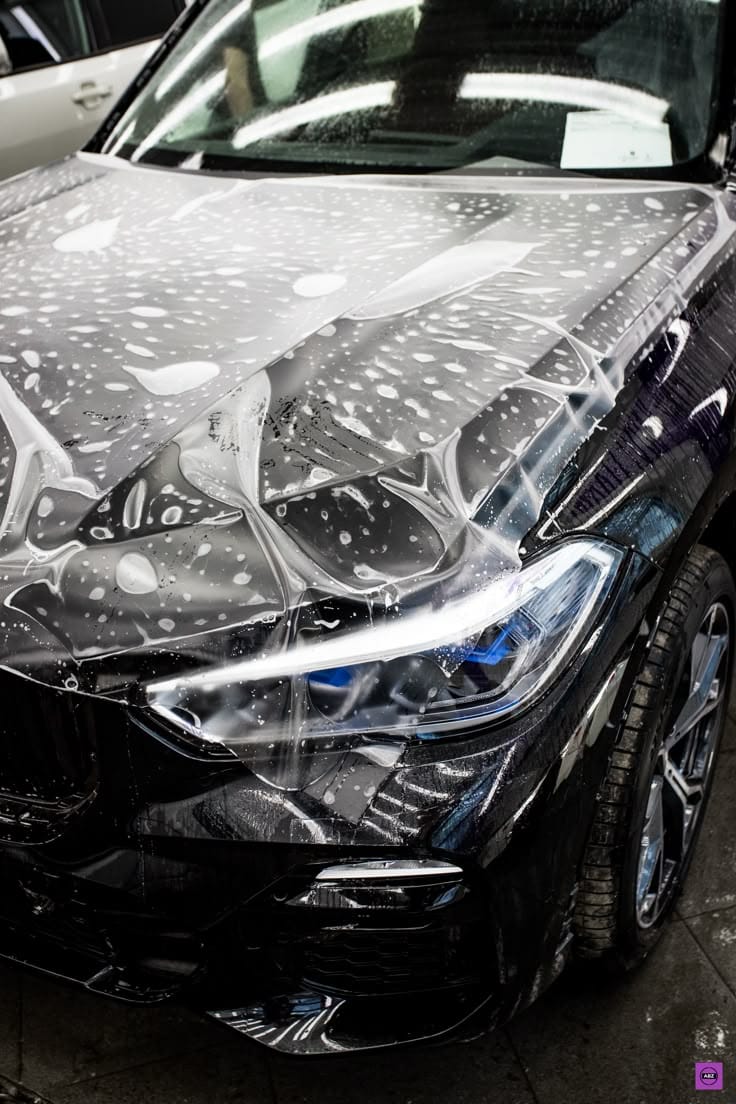
A vehicle wrap uses an applied film to change the appearance of selected body surfaces. You might choose a full exterior colour change, a contrasting roof or a more limited design on particular panels. The useful starting point is the look you want and the condition of the surface underneath. A wrap is a finishing option with its own preparation and care requirements. It should not be treated as a way to make dents, loose paint or corrosion disappear.
Colour-change film and paint protection film have different primary purposes, even though some products combine appearance and protective characteristics. A wrap is usually discussed for colour and visual finish, while PPF is chosen around a defined protection objective. Ask what the proposed material is intended to do and which claims belong to that specific product. Do not assume that every film offers the same resistance to damage or that a wrap and a ceramic coating are interchangeable services.
At your first enquiry, share the vehicle model and a few photographs of its current finish. Explain the colours or effects you are considering and whether the change is for personal use, a business or a particular visual detail. Reference pictures are helpful for direction, but final choices should consider an actual material sample where available. Gloss, satin and matte finishes interact with light differently, so a colour selected from a screen may look different outdoors.
SERVICE SCOPE
A clear starting point for the conversation. The work is confirmed after your car is inspected.
Choose the full exterior or selected panels and clarify visible edges, trim and openings. Discuss the scope and timing around your household’s needs.
Review the surface, earlier repainting and defects before deciding whether film is suitable.
Discuss material finish, panel transitions, maintenance and future removal before installation.
IS THIS THE RIGHT SERVICE?
Start with what you have noticed. You don’t need to arrive with a diagnosis.
A CLOSER LOOK
Make your family car feel more your own. Explore colours, finishes and full or partial coverage, with paint condition, cost and ongoing care explained before you choose.


FROM FIRST MESSAGE TO HANDOVER
Share your vehicle details and request a preferred date on WhatsApp.
Ask for the quotation to identify the film category, finish and panels included. Material availability, panel size and body shape influence the work, so a short phrase such as full wrap is not a complete specification. Discuss whether trim or fittings need to be removed for access and which items may need replacement if they are worn or damaged. The aim is to understand the proposed approach without assuming that every external component will automatically be covered.
Complex curves, recesses and panel transitions need decisions about how the material will be installed and finished. Ask where joins may be necessary and which edges are included in the brief. A wrap is not the same surface construction as factory paint, so the handover should explain the characteristics of the finished installation. Any product-specific performance or warranty terms should be supplied for the actual material and installation, rather than inferred from a general description of wrapping.
When comparing prices, compare equivalent coverage and preparation. A quote for selected panels over a suitable existing finish differs from a colour change that includes old-film removal and substantial preparation. Ask whether repairs, replacement badges or additional design work are included. If a protective coating is proposed on top, confirm that it is appropriate for the film and part of the agreed scope. Clear inclusions help you make a useful decision without relying on a package name alone.
Discuss the findings and approve the scope and quote.
Before the visit, remove personal belongings and share any relevant access information, such as unusual fittings or aftermarket body parts. Tell the team if a panel was recently painted or if a trim piece is already loose. The preparation and installation sequence should reflect those conditions. Avoid applying fresh waxes or dressings shortly before the appointment without discussing them, as the surface needs to be prepared for the chosen adhesive product rather than made temporarily glossy for collection.
Confirm a preferred date and wait for the workshop to confirm availability. The time needed depends on the vehicle, coverage, surface condition and agreed access work. Old-film removal or unexpected paint issues can change the plan, so ask how those findings will be communicated. If you have a deadline for a business launch or personal event, mention it before approving the job. Keep transport arrangements realistic and allow time to review the finished vehicle at handover.
If new surface concerns appear during preparation, ask for an explanation and agree the next step before the scope changes. It may be necessary to repair a panel, reconsider coverage or defer part of the installation. Keep one contact authorised to make these decisions and record material or design changes in the same conversation. A clear approval route is especially useful for business vehicles where the person delivering the car may not be the person approving its appearance.
Agree the next steps and estimated timing for your particular car.
A wrapped vehicle still needs regular cleaning. Dust and road contamination should be removed using methods suitable for the finish, rather than abrasive scrubbing or a harsh household product. Ask for the cleaning guidance that applies to your selected material and take note of any initial waiting period before washing. Matte and satin finishes may require different products from a gloss finish, so check before using a polish or cleaner that changes the surface appearance.
Be careful around seams and edges during washing. Aggressive water pressure, brushes or repeated rubbing can affect the installation, particularly if an edge is already lifting. Ask for the recommended washing method and distance for the product on your vehicle. If contamination is difficult to remove, seek advice rather than increasing pressure or using an unknown solvent. Promptly reporting a damaged area can also make the next conversation clearer than waiting until the condition has spread.
Sunlight, storage, road conditions and cleaning habits all influence how a finish ages. Follow the material-specific guidance and inspect the wrap periodically for edge changes or local damage. If you plan to fit accessories, adhesive badges or another protective product later, check compatibility first. Keep the name of the material and the installation record so a future repair or removal can be considered with useful information about what was fitted and when the work took place.
Review the completed work and any care instructions at handover.
Ask what happens if a wrapped panel is damaged after an incident. A repair may involve the bodywork underneath and replacement film on the affected area. Replacement material and a finish that has already been exposed to everyday use may not look identical in every situation, so discuss the options rather than assuming that one small piece will always be invisible. Keep your material details to make any later assessment more focused and avoid guessing the colour from a photograph.
If the vehicle will be sold or returned to another owner, consider removal as part of your ownership plan. The condition of the paint, the film and its age need assessment before a removal quote can be discussed. Avoid pulling material away rapidly or using improvised heat and tools on the car yourself. Ask the team how removal will be approached and how any previously hidden paint defects will be documented if they become apparent during the work.
For a major colour change, check any requirements from your insurer, finance provider or the relevant registration authority yourself before installation. The garage's design discussion does not replace those administrative steps. If graphics belong to an employer or business, confirm who is responsible for approving them and removing them later. These practical decisions help ensure that the appearance you choose fits both the vehicle and the way it is owned, used and maintained over time.
BEFORE YOU BOOK
Film follows the existing surface, so dents and uneven repairs can still show. Rust, lifting paint and poorly bonded finishes need inspection before installation. Share the paint history and ask what preparation is required. A wrap should be selected for its intended finish rather than used to conceal damage that needs separate attention.
They are different product categories with different intended uses. A colour wrap primarily changes appearance; PPF is discussed around protective coverage and the chosen film specification. Some products combine features, so ask what the specific quoted material is designed to do. Do not assume every film offers the same protection.
Discuss removal in relation to the actual film, its age and the condition of the paint underneath. Removability does not guarantee that damaged or poorly bonded paint will be unaffected. Keep the material information and arrange an assessment before removal, particularly if the film is old or the car has previously been repainted.
Partial coverage can be discussed as a defined project. Identify the panels, intended finish and transitions you want included, then ask how visible edges and the original colour will appear. The quote should distinguish the selected coverage from any preparation, old-film removal or additional bodywork needed before fitting.
INFORMED DECISIONS
More detail when you need it. Explore the scope and the decisions that matter for this service.
Film follows the surface to which it is applied. Dents, chips, heavy scratches and uneven previous repairs can remain visible through the finished wrap. Lifting clear coat, rust and poorly bonded repainting need a separate discussion before installation. Explain any previous paintwork you know about, including recent repairs. The team can then consider whether the surface is suitable and which preparation or bodywork concerns should be addressed before an appearance change is planned.
Removal is another reason to understand the paint history. A sound original finish and a damaged or poorly adhered repaint may behave differently when old film is removed. An earlier wrap that has aged outdoors may also need more involved assessment than recently installed material. Avoid treating the word removable as a guarantee that every surface will be unaffected. Ask how the actual paint condition and the proposed product change the removal discussion for your car.
If the vehicle already has a coating, protective film, wax residue or other surface treatment, mention it during assessment. Product compatibility and preparation need to be considered before adhesive film is fitted. Do not attempt to remove a treatment with an improvised solvent before your appointment. Bring details of previous products if you have them, and let the team explain the preparation that fits the selected film and the condition of the panels being covered.
Start with the main colour, then consider how it meets the glass, grille, lamps, badges and wheels. A strong result often comes from a coherent set of choices rather than adding a different effect to every part. For a partial wrap, identify exactly where the new finish starts and ends. A roof treatment, bonnet treatment and mirror treatment can be quoted separately, but the transitions should be discussed as one design so that you know what to expect.
Confirm how visible edges and openings will look. A wrapped exterior does not necessarily include door shuts, deep inner areas or every painted surface revealed when panels are opened. Those areas affect access, labour and material use. Ask whether the original body colour will remain visible in normal use and whether that contrast suits your chosen design. This is particularly important when the new colour is very different from the current paint or the project includes several contrasting finishes.
If the wrap includes business identification or graphics, agree the exact wording, placement and artwork before the job begins. Check spelling, phone numbers and any supplied logo files carefully. A photographic mock-up can help communicate the idea, but it does not replace an agreed specification for material and coverage. Keep the approved reference with the quotation. Any later decision to move a graphic or change a panel colour should be discussed before additional material is prepared.
YOUR LOCAL WORKSHOP
Send the make, model, approximate year and the areas you would like wrapped. Attach photographs of the current paint and a few references for the look you prefer. Mention previous repainting, any existing film and whether the car has a ceramic or other surface treatment. If you are unsure between wrapping, repainting and protective film, say so in your enquiry. Those are different options with different aims, and the right conversation starts with what you want to achieve.
Use the booking form to request vehicle wrapping and add your preferred date and contact number. The team will confirm the next step and availability. Confirm current workshop directions before travelling, especially if you are using a location saved from an earlier visit. At the assessment, review coverage, material, preparation and care requirements together so the quotation reflects the complete request rather than an assumed colour change based on a brief message or a single close photograph.
When you collect the vehicle, compare the result with the approved design and ask about any installation details you want explained. Review panel transitions, visible edges and the fittings included in the work. Keep the care instructions and material information with your invoice. If you notice a change afterwards, send a clear photograph showing the whole area as well as the detail, and describe when it appeared so the team can discuss the appropriate next step.
One conversation. A clear next step.